Next Article
Peptides for Gut Health: Separating Evidence From Hype
12 minutes
A clear, science-led look at soil-based probiotics: what they are, what the human research shows for bloating, gas, and regularity, whether they're safe, and how spore-forming strains differ from conventional probiotics.
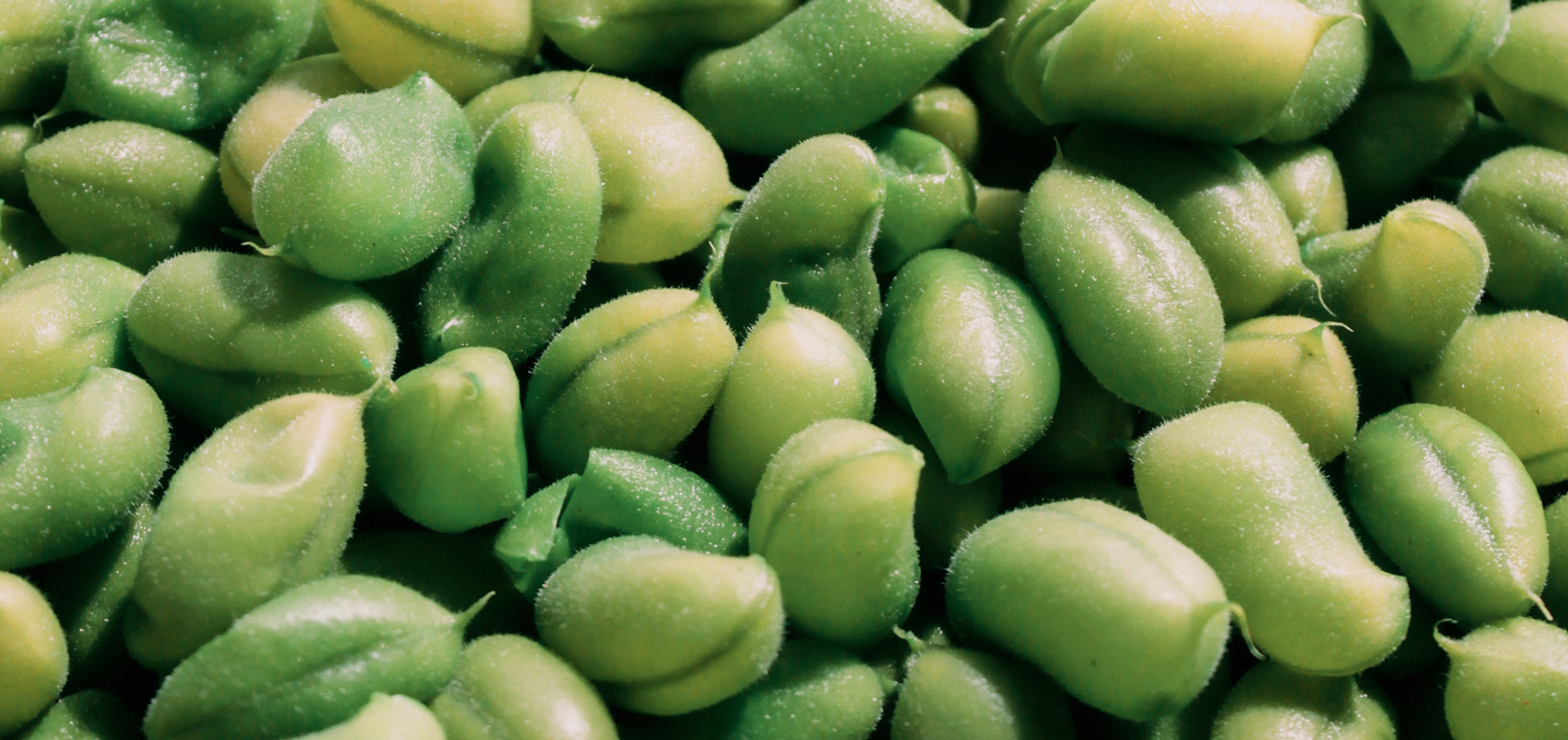
You’ve probably seen soil-based probiotics framed two ways online: as a back-to-nature breakthrough, or as something you’d be a little nervous to swallow (bacteria from dirt, on purpose?). Both reactions make sense, and neither is quite right.
The short version: soil-based probiotics are real, well-studied bacteria, and for several common gut complaints, the human research behind certain strains is surprisingly solid. 🦠 They earn their reputation not because they come from soil, but because they form spores: tiny, armored, dormant versions of themselves that survive the trip through your stomach.
The popular soil-based versus regular debate misses something more useful, though. What actually determines whether a probiotic helps you is the specific strain, the dose, and the benefit it’s been studied for, not the marketing category it sits in. So here’s what these microbes are, what the evidence shows, whether they’re safe, and where they fit alongside other approaches to gut health.
Start with the name, because it’s doing a lot of work. “Soil-based” simply describes where these bacteria originate: soil and the natural environment, the same microbes our ancestors brushed up against daily before modern, scrubbed-clean living. Not every soil-based microbe forms spores, but in everyday use “soil-based” and “spore-forming” are often treated as the same thing, and the spore-formers are where most of the research sits. Most soil-based microorganisms used today belong to the Bacillus genus. Names like Bacillus coagulans and Bacillus subtilis show up again and again on labels and in studies.1
What sets them apart is a survival trick: when conditions turn harsh, these bacteria fold themselves into spores, dormant cells with a tough outer shell that shrugs off heat, acid, and time. You can think of a spore as a seed waiting for spring. It can sit on a shelf at room temperature without refrigeration, ride through the acidic storm of your stomach, and then “wake up” in the more welcoming environment of your intestines, where the bacteria become active again and interact with your gut.2
Survival is only part of the appeal. Once they arrive, these microbes pull their weight: a review of Bacillus subtilis and a closely related strain found they can help break down nutrients through the enzymes they produce, support the gut lining, and influence the makeup of your existing gut bacteria through what researchers describe as a connected, multi-system effect.1
“Surviving the stomach is important, but it’s only the first hurdle,” says Dirk Gevers, Ph.D. “What matters is whether a probiotic reaches the right part of the gut and remains biologically active once it gets there. Durability and function are two different questions, and a meaningful probiotic has to answer both.”
Soil-based probiotics earn their place on the strength of specific strains, not the category as a whole. Some of the strongest human evidence centers on Bacillus coagulans. The species was recently reclassified as Heyndrickxia coagulans,3 but labels, brands, and most studies still use the older name, so that’s what you’ll see throughout this article.
In a multicenter, placebo-controlled trial, a Bacillus coagulans strain reduced symptoms including gas, bloating, and indigestion in adults compared with placebo, with no serious adverse events reported.4 Another randomized controlled trial found a Bacillus coagulans strain improved gut transit time and stool consistency in otherwise healthy adults dealing with mild, occasional constipation.5
The picture extends to irritable bowel syndrome, or IBS. Multiple randomized, double-blind trials in adults with IBS reported improvements in abdominal pain and stool consistency from Bacillus coagulans strains, again with reassuring safety data.6,7 A pilot trial in adults with functional dyspepsia, that uncomfortable, lingering fullness after meals, found a Bacillus coagulans and Bacillus subtilis combination nearly doubled the share of people who responded to treatment versus placebo.8 More recently, a dual-strain spore-forming formula improved abdominal pain and stool consistency over four weeks in adults with diarrhea-predominant IBS.9
A fair caveat: many of these are smaller or pilot studies in people with specific conditions, and findings tied to one strain don’t automatically carry over to another. The area is still developing, and more research will sharpen the picture. The safety signal across these trials, though, has been steady, with no serious adverse events attributed to the study products.
This is the question that keeps people hovering over the “buy” button, and it deserves a straight answer.
For generally healthy adults, the best-studied spore-forming strains have shown consistently favorable safety profiles, with no serious adverse events attributed to the study products across multiple randomized trials.6,7 The species Bacillus coagulans, in particular, has a long track record in food and research settings.10,11
That said, “soil-based probiotics” is a broad bucket, and not every strain on the market carries the same weight of evidence. Some have been studied in well-designed human trials; others have very little clinical backing. A handful of strains in this category, such as within Bacillus, have prompted safety considerations, particularly for people who are immunocompromised.12 So the nuance matters: a strain with a strong human safety record is not the same as an unstudied newcomer sharing the same “soil-based” shelf label.
If you have a compromised immune system, a serious health condition, or you’re pregnant, it’s always a good idea to check in with your healthcare provider before starting any new probiotic. As with any new routine, that’s a sensible step regardless of which type you choose.
Soil-based and conventional probiotics are different tools that work in different ways, not two competitors fighting for the same title.
Conventional lactic acid bacteria-based probiotics, the Lactobacillus and Bifidobacterium strains in many yogurts, fermented foods, and capsules, are generally not spore-formers. Many are more fragile, which is part of why they often need refrigeration and why a portion can be lost to stomach acid before reaching the gut. Spore-forming strains sidestep that problem by traveling in their armored, dormant form, which is naturally more resistant to harsh conditions.13,14 That’s a real, practical edge for stability and survival.
But survival is the beginning of the story, not the end. A probiotic still has to be the right strain, at a dose shown to do something useful.15 Probiotic effects are demonstrated at the strain level, so you can’t assume that because one Bacillus strain helped with bloating, every spore-forming product will. The same logic applies to broad-spectrum formulas that combine many strains: what matters is the clinical evidence behind the specific formula, not the category on the label.
Most probiotics are also transient: they pass through, interact with your resident microbes, and leave, rather than setting up permanent residence.16 The benefits generally last as long as you keep taking them.
If you’re weighing spore-forming strains, it helps to understand how multi-strain, broad-spectrum probiotics work through a different mechanism. Not a better one, a different one.
Probiotics as a category influence the gut in several ways: interacting with immune cells, producing beneficial compounds, supporting the gut barrier, and nudging your resident microbes.15 Spore-forming strains do this with their survival-first design. Other formulas take a broad-spectrum approach, combining many strains to cover more functional ground.
Neither route is better across the board. The right choice depends on the benefit you’re after and, ideally, a conversation with someone who knows your health history.
Soil-based probiotics aren’t a gimmick or a fix for everything. Their real edge works more like a passport than a master key: it gets specific strains safely through the customs of your stomach that turn back many conventional ones, but it doesn’t decide where they go once they arrive.
The evidence is strongest for specific Bacillus coagulans and Bacillus subtilis strains in everyday gut complaints like gas, bloating, occasional constipation, and IBS symptoms. The bigger lesson reaches past soil entirely: probiotic benefits live at the strain level, not the marketing-category level. The same truth that separates one Bacillus strain from another also separates a clinically tested broad-spectrum formula from a bottle that simply borrows the right label.
So if you take one thing away, let it be this: don’t ask whether a probiotic comes from soil or a yogurt jar. Ask which strain it is, what dose it provides, and what that exact strain has been shown to do. Your gut doesn’t care about the origin story. It responds to the specifics.
Read the strain, not the label, and you’ll plant your gut-health decisions in soil that actually grows something. 🌱
Mostly spore-forming bacteria from soil and the natural environment — most commonly Bacillus species like Bacillus coagulans and Bacillus subtilis. Soil-based probiotics are typically spore-forming bacteria associated with soil and other natural environments.1 You’ll also see related spore-forming species on some labels. Their defining feature is the ability to form spores: dormant, protectively coated cells that survive heat, stomach acid, and shelf storage. Because effects are strain-specific, the species name alone doesn’t tell you what a product will do.15 Look for the full strain designation, the letters and numbers after the species name, since that’s what clinical studies are tied to.
Not better, just different. Spore-forming strains have a clear practical advantage in surviving digestion and staying stable without refrigeration, thanks to their spore coat.1 Conventional Lactobacillus and Bifidobacterium strains work through their own mechanisms and have their own large body of evidence. What actually matters is whether a given strain, at a given dose, has been shown to deliver the benefit you want.15 A well-studied spore-forming strain can be a good choice for certain gut complaints, but “soil-based” on the label isn’t a guarantee of quality or results on its own.
For most healthy adults, yes, especially well-studied Bacillus strains like Bacillus coagulans. Across multiple randomized trials, these spore-forming strains have shown consistently favorable safety profiles, with no serious adverse events attributed to the study products.6,7 The caveat is that “soil-based” covers many strains, and the evidence sits mostly with Bacillus, especially Bacillus coagulans, not the whole category. A few strains have prompted safety considerations, particularly for people who are immunocompromised.12 If you have a weakened immune system, a serious health condition, or you’re pregnant, check in with your healthcare provider before starting any new probiotic.
Not necessarily. There’s no rule that you need both, and more isn’t automatically better. The smarter approach is to start from the benefit you’re after, say, easing occasional bloating or supporting regularity, and choose a probiotic with a strain clinically studied for that specific outcome.15 That might be a spore-forming strain, a conventional one, or a broad-spectrum formula that combines many strains. If you’re already taking a probiotic that’s working for you, there’s no need to add another just because it’s labeled soil-based. And if you’re considering combining products, it’s always a good idea to check in with your healthcare provider first.
°These statements have not been evaluated by the Food and Drug Administration. This product is not intended to diagnose, treat, cure or prevent any disease.
µas of February 2026.


Digging into the soil biome—home of the bacteria, fungi, and protists that form the foundations of modern agriculture.

Exactly what Seed's Chief Medical Officer looks for (and avoids) when identifying high-quality probiotics.
Overview You’ve probably noticed your grocery store’s refrigerator aisle looks a lot different than it did five years ago. Between the kombucha, kefir, “probiotic” sodas, and tiny shot-sized bottles promising gut health, the live-culture beverage section has grown fast. The packaging is colorful, the promises are big, and the science is often nowhere on the...