Next Article
Probiotics for Yeast Infections: The Candid Truth
7 minutes
Probiotics and liver health meet at the gut-liver axis. Here’s what studies of specific strains in fatty liver disease (MASLD, formerly NAFLD) and cirrhosis show about liver enzymes and inflammation—and where the evidence stops.
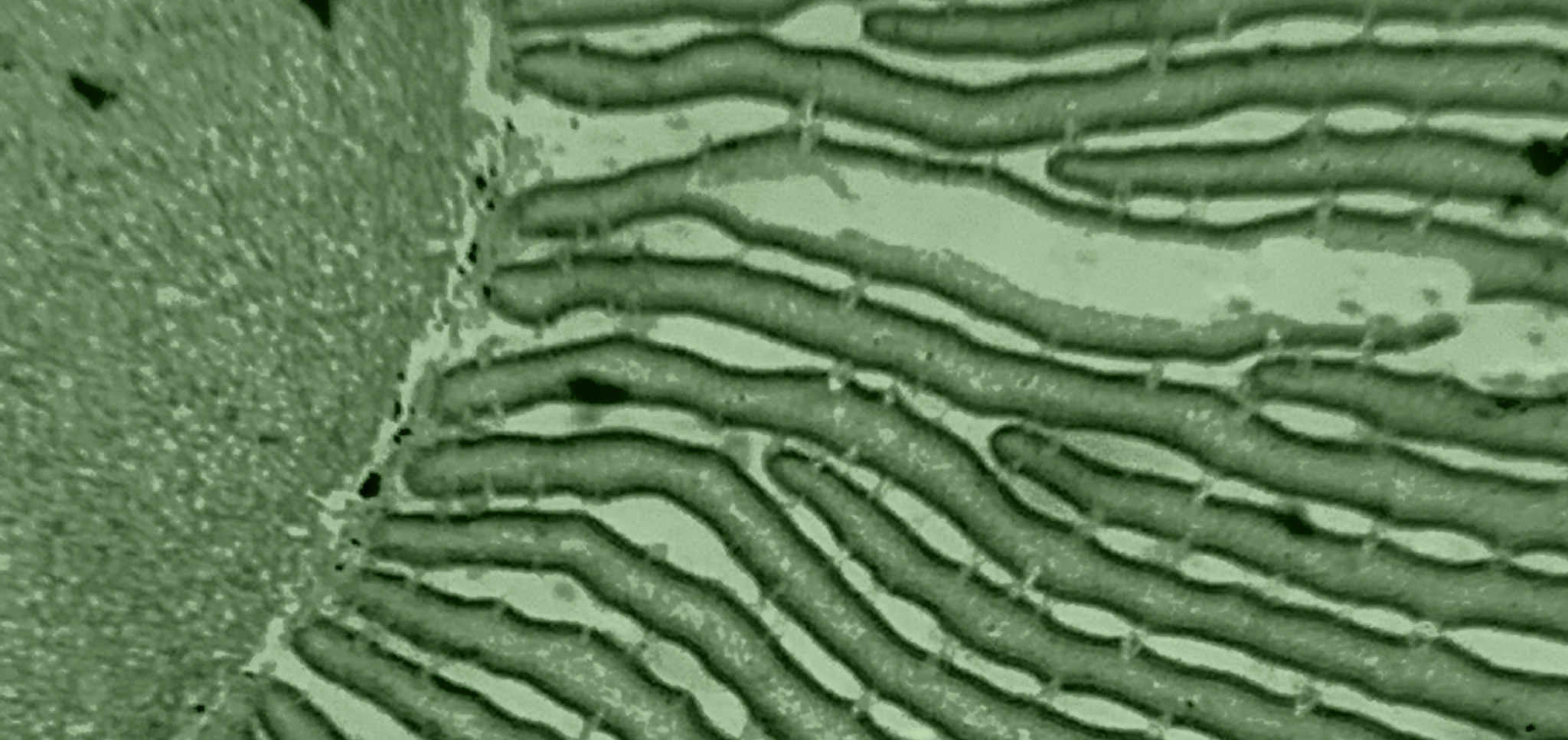
If you’re wondering if probiotics can help your liver, you’re already ahead of the curve. Most people think of probiotics for gut health, but your liver and gut are basically neighbors sharing a fence—and sometimes a bit more. When things go sideways in your gut, your liver often feels it first. 🦠
Probiotics don’t waltz into your liver and start fixing things. Their real talent is shaping the neighborhood (or gut ecosystem) your liver depends on. Understanding this connection, called the gut-liver axis, helps you see why researchers are studying certain strains in fatty liver disease and cirrhosis. Fatty liver disease is now called MASLD (metabolic dysfunction-associated steatotic liver disease, formerly called NAFLD).1
Maybe, but they’re not proven. In pooled trials in people with fatty liver disease, probiotics were followed by lower liver enzymes than comparison groups.2,3 These enzymes, like ALT and AST, are blood markers of liver strain.
There are a few reasons it’s not a “yes” yet. The trials were small and short, and the probiotic mixes varied. Results seem to depend on the mix and the people studied. The research also comes from people with diagnosed fatty liver disease, some of them children, not healthy adults. Probiotics aren’t a treatment for fatty liver, and these trials don’t show that they reverse it. (Lower liver enzymes ≠ reversed liver disease.)
Guidelines reflect that caution. A 2024 guideline from European liver, diabetes and obesity societies says probiotics can’t be recommended for fatty liver. The evidence on how well they work, and how safe they are, is too thin, and larger trials are needed.4 For now, researchers are studying probiotics as an add-on to lifestyle changes, which come first.
If you have fatty liver disease, talk to your doctor before adding a probiotic.
MASLD is a build-up of extra fat in the liver linked to metabolic health. It comes with at least one metabolic risk factor, like excess weight, type 2 diabetes, high blood pressure or high triglycerides (a blood fat).1
In some people, the fat leads to inflammation (MASH, formerly NASH) and, over time, scarring.5 It’s one of the most common liver conditions worldwide, affecting a large share of adults.6
Most people with fatty liver disease have no symptoms.7 So feeling fine doesn’t rule it out. It’s usually found through blood tests, such as liver enzymes, and imaging of the liver.4 If you’re concerned, talk to your doctor about whether to get checked.
🔬 Science Translation: Fatty liver disease means extra fat in the liver tied to metabolic health. It’s common, it’s usually silent, and blood tests or imaging are how it’s usually found.
When it comes to liver health, your gut calls a lot of the shots. That’s because the two are directly connected by a busy superhighway called the portal vein. This major blood vessel delivers everything absorbed from your intestines (nutrients, microbial metabolites, even the occasional burger breakdown product) straight to your liver for processing.8
What happens in your gut doesn’t stay in your gut. When the gut ecosystem is thriving, your liver gets a clean, manageable workload. But when gut balance is off—hello, dysbiosis—the fence gets leaky. Now, unwanted guests like inflammatory compounds can sneak through and trigger trouble for your liver.9,10
Imagine your intestinal lining as a bouncer at an exclusive club. Normally, only VIPs (nutrients and beneficial compounds) get through. But when your microbiome is out of whack, the bouncer gets distracted, and troublemakers like lipopolysaccharides (LPS) slip in.11
These LPS molecules don’t just crash the party—they ride the portal vein straight to your liver, where they can spark inflammation. Over time, this constant drip of inflammatory signals can contribute to liver injury and push the progression of liver conditions like NAFLD.12
🔬 Science Translation: Think of your liver as a high-end filter system. The more gunk that gets through your gut lining, the harder your liver has to work to keep things running smoothly.
Since your liver is directly affected by what travels from your gut, supporting a healthy gut environment makes life a lot easier for your liver. Research suggests that certain probiotic strains might help lower the burden on your liver in a few ways.13
👉 TL;DR: A healthy gut means less stress for your liver. Certain probiotics may help by strengthening the gut barrier, shifting your microbial balance, and supporting immune calm.
Here’s where most probiotic advice falls flat: the benefits are always strain-specific. That means one strain’s results don’t apply to another—just like a plumber can’t fix your WiFi.
Dirk Gevers, Ph.D., Seed’s Chief Scientific Officer, explains, “A probiotic’s benefits are strain-specific, not species-specific, and certainly not universal to all probiotics. One strain might support digestive regularity, while another is studied for immune modulation.”
One pooled analysis combined 35 trials with 2,212 people with fatty liver disease.2 Another reviewed 10 earlier pooled analyses (meta-analyses) covering 5,162 people.3
Both found lower liver enzymes with probiotics than in comparison groups, including ALT, AST and GGT in the second. But most trials were small and short and used different mixes. They also didn’t show that the disease itself changed.
One randomized trial gave 58 adults with type 2 diabetes and NAFLD a multi-strain probiotic or a placebo for eight weeks. The probiotic group had a lower fatty liver index. That’s a score calculated from blood tests and body measurements, not a direct measure of liver fat.17
They also had lower AST and GGT (two liver enzymes) and lower TNF-α and IL-6 (inflammatory markers). Liver stiffness, a measure linked to scarring, showed no clear change.17
🔬 Science Translation: Across many small trials, certain probiotics were linked to lower liver enzymes in people with fatty liver disease. That points to less liver strain—not proof that the disease itself went away.
Insulin resistance, when the body responds less well to the hormone insulin, can raise blood sugar. In some small trials in people with fatty liver disease, probiotics were followed by lower cholesterol and insulin resistance markers. But the results were inconsistent.
An early pooled analysis of four trials found lower insulin resistance and total cholesterol, but no change in blood sugar or LDL cholesterol.18 A 2026 analysis found no clear overall effect on triglycerides or insulin resistance.19
Two probiotics have been studied on their own in smaller trials:
💡 Pro Tip: Every result above is tied to a specific strain or mix. The full strain name (letters and numbers after the species) is how you tell strains apart.
The main human studies, side by side:
| Study | Who was studied | Design | Length | What changed |
|---|---|---|---|---|
| Yang et al., 20242 | 2,212 people with fatty liver disease (NAFLD) in 35 trials | Human; network meta-analysis | Varied | Lactobacillus + Bifidobacterium + Streptococcus mixes ranked highest for lower liver enzymes; few head-to-head comparisons |
| Musazadeh et al., 20223 | 5,162 people with NAFLD in 10 meta-analyses | Human; umbrella review | Varied | Lower ALT, AST and GGT |
| Kobyliak et al., 201817 | 58 adults with type 2 diabetes and NAFLD | Human; randomized, placebo-controlled | 8 weeks | Lower fatty liver index (a calculated score), AST and GGT; no clear change in liver stiffness |
| Malaguarnera et al., 201221 | 66 adults with NASH | Human; randomized; B. longum + FOS with diet and exercise vs. diet and exercise alone | 24 weeks | Lower AST, LDL cholesterol, CRP, TNF-α and insulin resistance; less fat and NASH activity on liver biopsy |
| Vajro et al., 201120 | 20 children with obesity-related liver disease | Human; randomized, placebo-controlled pilot | 8 weeks | Lower ALT; liver ultrasound unchanged |
| Rodrigo et al., 202222 | 84 children with obesity and fatty liver | Human; randomized, placebo-controlled; both groups made lifestyle changes | 6 months | No clear advantage over placebo |
Liver cirrhosis is a later stage of scarring that often results from long-term liver trouble. People with cirrhosis usually have a disrupted gut microbiome, which means more “bad” bacteria and fewer “good” ones.13
Researchers are studying whether probiotics could nudge that ecosystem back toward balance and cut harmful molecules that can worsen liver issues. The research here is still early, though, and it isn’t settled.
🔬 Science Translation: If your gut bacteria are out of sync, your liver is working overtime. Certain probiotics are being studied as backup to help restore order—alongside medical care, not instead of it.
If you’re considering a probiotic, talk to your doctor first. On the endless probiotic shelf, three things matter most:
Dirk Gevers, Ph.D., explains, “When selecting a probiotic, try to prioritize scientific evidence. Look for formulations where the specific strains—not just the species—have been studied in human clinical trials for the benefits they claim. The field is constantly advancing, so products backed by current, rigorous research are more likely to be reliable.”
Probiotics aren’t a cure for liver disease, and they won’t replace medical care or healthy habits. Instead, think of them as teammates for your gut microbiome. Whether that helps your liver is still being studied. When it comes to probiotics, it’s about partnership, not quick fixes.
Caring for your liver starts with an overall plan. For fatty liver disease, that plan centers on weight loss, a balanced diet and regular activity, under a doctor’s care.5 European guidance also advises limiting alcohol.4
Even modest weight loss can reduce fat in the liver, and larger amounts may be needed for inflammation and scarring.5 Researchers are studying probiotics as an add-on to these changes, not a swap for them.19 Think of probiotics as a positive nudge for your gut, not a substitute for the basics.
Consistency is another key factor. Probiotics are like helpful houseguests—they stick around as long as you keep inviting them, but most don’t move in for good. This is why daily intake matters. If you want to keep getting the benefits, you’ll need to make probiotics a regular habit.23
Every gut is different, too. Your own mix of microbes, genes, and habits will shape how you respond to probiotics. How long any change takes, if one comes at all, varies from person to person.
🦠 Quick Gut Check: Wondering if you can overdo it on probiotics? According to Dirk Gevers, Ph.D., Seed’s Chief Scientific Officer, “The good news is that it’s hard to take too many probiotics. Depending on how much you take, you may face some digestive discomfort, but your body should be able to adjust. However, sticking to the recommended amount makes the most sense.”
If you already take a probiotic, here are a few practical ways to get the most out of your routine:
💡 Pro Tip: Just starting out with probiotics? Don’t stress if you notice some minor bloating or digestive changes. That’s your gut adjusting, and it usually fades within a few weeks.
Your gut and liver are partners in health. When your gut ecosystem is out of balance, your liver often ends up doing extra work, and over time that can lead to trouble. Probiotics aren’t a cure, and the liver research is still small and early. Scientists are studying whether certain strains could reinforce the gut barrier and dial down inflammation. If you have a liver condition, ask your doctor.
🌱 Good health isn’t hacked—it’s cultured. And supporting your gut is a smart way to help your liver stay in top form.
Possibly, though indirectly. Certain probiotics may benefit liver health by supporting the gut microbiome. They may help reinforce the gut barrier and reduce the inflammatory load on the liver.21 Inflammation is a key factor in conditions like fatty liver disease (MASLD, formerly NAFLD).12
That said, probiotics are not a treatment or cure for any disease state and are not a replacement for medication or medical care.
No single one, yet. No “best” probiotic for fatty liver has been established. In a 2024 analysis that ranked mixes across many small trials, combinations of Lactobacillus, Bifidobacterium and Streptococcus came out on top for lower liver enzymes.2 Few trials compared mixes head to head, though.
Other studies looked at specific strains in specific groups. L. rhamnosus GG was followed by lower ALT in 20 children with obesity-related fatty liver.20 But a larger trial of a probiotic in children found no clear advantage over lifestyle changes alone.22
B. longum with a prebiotic fiber (FOS) was studied alongside diet and exercise in adults with NASH.21 If you have fatty liver disease, talk to your doctor before starting any probiotic.
They’re being studied. Researchers are looking at probiotics as support alongside medical care for people with cirrhosis. That’s because the gut microbiome is often severely disrupted in this condition.
Gut imbalance in cirrhosis is linked to complications like infections, but it isn’t clear that probiotics lower that risk. They don’t treat cirrhosis itself.13 You should always consult a doctor before starting any new probiotic if you have a liver condition.
The effects of probiotics are not immediate. In studies of people with fatty liver disease, markers like liver enzymes changed after several weeks to months of daily use. In one clinical trial of a multi-strain probiotic in people with NAFLD, lower liver enzymes and a lower fatty liver index showed up after 8 weeks.17



Overview Living with Polycystic Ovary Syndrome (PCOS) can feel like a never-ending balancing act. Hormones acting up, your metabolism in flux, and let’s be honest—a ton of advice that’s equal parts hopeful and confusing. You’ve probably heard it all: Change your diet, exercise regularly, practice mindfulness. But here’s a twist you might not expect: your...
Overview We’ve all had those off days—your stomach feels unsettled, your energy’s tanking, or you’re uncharacteristically irritable. It might not be your first thought, but what if these frustrations were your gut trying to send an SOS? Your digestive system is home to trillions of microbes, all busily contributing to digestion, immunity, and even your...
Overview You’re doing your best to support your gut health. Maybe you’ve added a probiotic to your daily routine, but you may have heard about prebiotics, too. And now you’re wondering: Should you take them both? Is it helpful—or just too much? The short answer is yes, you can take prebiotics and probiotics together, at...