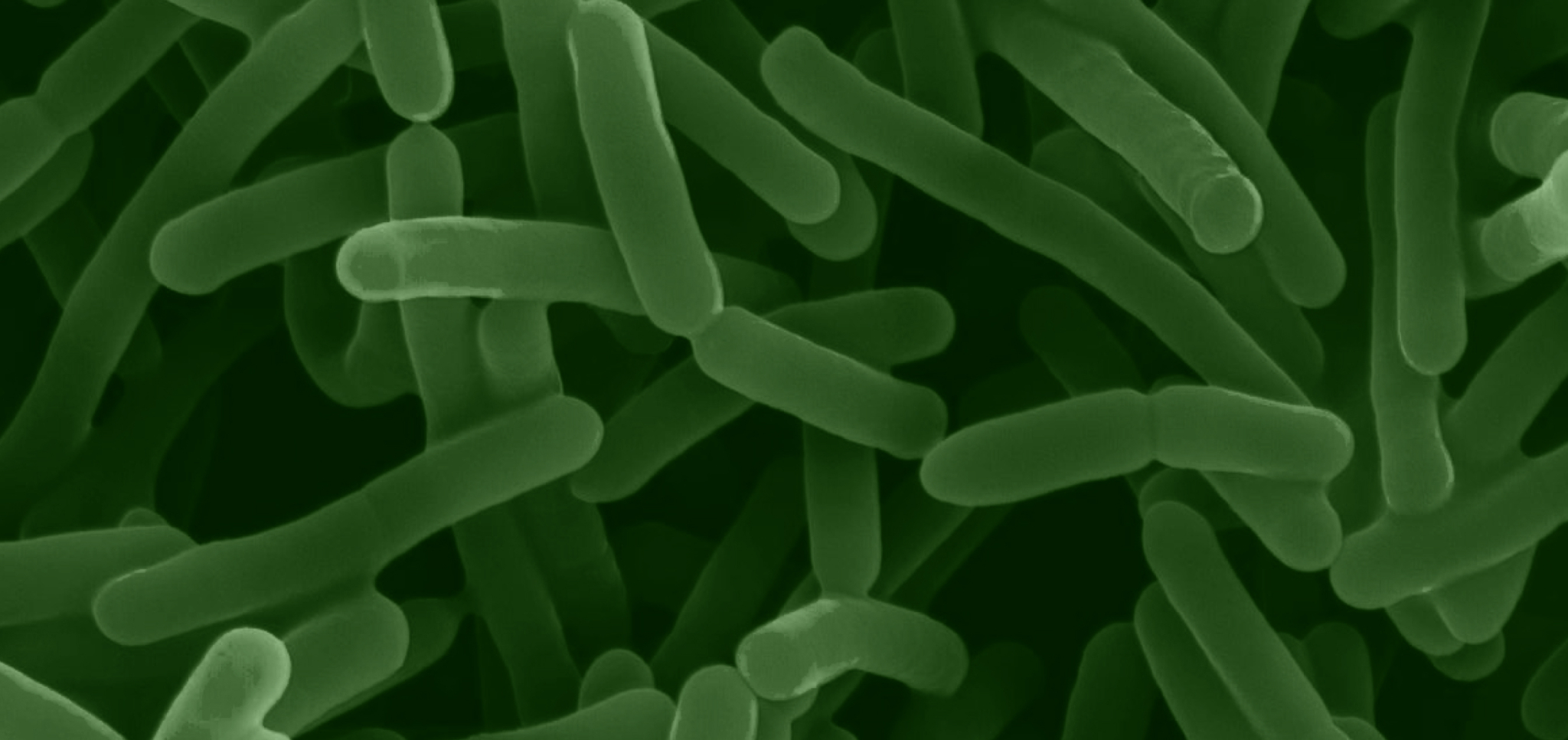
What is Bifidobacterium longum, and why do the letters and numbers after its name matter? Meet its subspecies, see what it does in the gut from birth on, and find out which B. longum strains, like BB536, have been tested in people and why daily intake matters.
Bifidobacterium longum is a helpful probiotic species found in the gut, and it’s among the first beneficial microbes you encounter at birth—mainly helping with the digestion of milk early on, and breaking down fiber after infancy.
Just seeing “B. longum” on a label isn’t enough information about a probiotic—each strain brings something unique, and the best-studied ones may offer specific benefits and support you won’t get from others.
Certain B. longum strains can help maintain a balanced gut microbiome by gently lowering the gut’s pH and encouraging more beneficial microbes to thrive. Others can influence the immune system, and some are even being studied for possible links to the gut-skin axis.
B. longum strains are like skilled consultants: they interact with your gut and immune system while they’re passing through, then leave. Because of this, you need to take them daily if you want to keep any benefits they provide for you.
Probiotic names can read like cryptic codes sometimes, you know? B. longum BB536, for example, definitely reads more like an airport terminal or a Star Wars character than the name of a useful gut microbe. But not every B. longum is the same, and the letters and numbers at the end matter.
Those codes (strain names) can mean the difference between a probiotic with actual research behind it and expensive encapsulated dust. If they’re missing from a probiotic label, odds are it’s the latter. You can only really understand how a probiotic may help you if the label gives a strain name (e.g., BB536 or M63) after the genus and species (e.g., B. longum).
Bifidobacterium longum is a good example. 🦠 It’s one of the first beneficial microbes you meet in life, and its strains don’t all do the same job.
What Is Bifidobacterium longum?
Bifidobacterium longum (B. longum) is a bacterium that lives without oxygen and is one of the first bifidobacteria to arrive in the human gut. Like other bifidobacteria, it’s also Gram-positive, which means it holds onto the purple dye in a classic lab stain test.1 It’s dominant in babies’ guts and stays common in adults.2
Scientists sort B. longum into three recognized subspecies:3
Subspecies longum: Breaks down plant fibers from the adult diet.4
Subspecies infantis: Uses the sugars in breast milk (you’ll meet it again below).5
Still, a subspecies name won’t tell you what B. longum does in people. That comes down to the individual strain—the code after the name.
Your first meeting with B. longum happens early—most babies pick it up at birth, and it gets right to work. In infants, B. longum specializes in breaking down human milk oligosaccharides (HMOs)—unique sugars found in breast milk that humans can’t digest on their own.8 Its work during infancy also helps set up a balanced gut environment that supports immune development.
As we get older, B. longum doesn’t pack up and leave just because we’re not taking in HMOs anymore. Instead, it shifts gears and keeps pitching in, especially if your diet is rich in plant fibers.
Think of B. longum as an adaptable worker that grows with you: In infancy, it breaks down milk sugars. In adulthood, it handles the leftover fibers your body can’t tackle alone.
What DoesB. longumDo in the Gut?
B. longum has four main jobs in the gut:
Digesting Dietary Fibers: Like other bifidobacteria, B. longum strains break down fiber and other carbs mainly into acetate (a short-chain fatty acid, or SCFA) and lactate. Other gut bacteria then use these to make butyrate, which fuels the cells lining your colon. This teamwork—one microbe’s leftovers become another’s food—is part of a balanced gut environment.9,1
Balancing Gut pH: By producing lactic and acetic acids, certain strains of B. longum can lower the pH in your colon. That’s a good thing for a balanced ecosystem: a more acidic environment is less inviting for troublemaking microbes, which gives friendlier bacteria the advantage.1,10
Supporting the Gut Barrier: In lab and animal studies, some B. longum strains help reinforce your gut barrier—the selective gatekeeper between your digestive system and bloodstream. This barrier relies on “tight junctions,” which work like cellular Velcro to hold the intestinal lining together. These junctions let valuable nutrients pass through while keeping potentially harmful substances out.11
Gut-ImmuneConversation: The immune system and gut microbes are constantly exchanging updates. B. longum is part of that conversation, sending signals that help the immune system stay balanced and not overreact to harmless guests by keeping inflammation in check.11
👉 TL;DR:B. longum is a lifelong collaborator—helping babies make the most of sugars in breast milk, then helping adults extract more from fiber-rich foods.
B. longumStrains: What Do They Do?
Most probiotics—B. longum included—are “transient,” meaning they pass through your gut, interact with your gut lining and immune system, and are eventually eliminated during a trip to the bathroom.12 They don’t set up permanent residence, but that doesn’t make their impact any less relevant.
Here’s what certain well-studied, strain-specific probiotics can do during their visit:
Nudge the Microbial Neighborhood: Certain B. longum strains can encourage a healthier gut community by crowding out less helpful bacteria or reducing the production of unwanted byproducts.13,14
Back Up the Barrier: In lab and animal studies, some strains helped strengthen those tight junctions in your gut lining.11
Fine-Tune Immune Responses: Some strains, such as B. longum BB536, have been studied for how they interact with your gut and immune system. In one trial, BB536 was linked to fewer respiratory illnesses in preschool children.16
Make More Than SCFAs:B. longum strains can produce helpful compounds like bacteriocins (natural antimicrobials), and help break down plant polyphenols into forms your body can actually use.17
Why Strain Codes Matter (Species vs. Strain)
Genus and species aren’t enough information.
Bifidobacterium longum is the probiotic species, but if you want to know what it does, you need the fullstrain name (like BB536 or CECT7347). Research shows that the benefits and effects of probiotics can only be tied to specific strains.18
Think of it like ordering takeout. “Food” isn’t an order—sushi, burgers or a salad is, and you’d be confused if you ordered one and got something completely different. 🥡 The specifics matter—for food cravings and strain IDs alike.
Dirk Gevers, Ph.D., Seed’s Chief Scientific Officer, sums up probiotic specificity: “The term ‘probiotic’ is incredibly broad, so strain benefits are certainly not universal to all probiotics. One strain of a particular species might support digestive regularity, while another from the same species is studied for immune modulation.”
The Best-StudiedB. longumStrains (Meet the Specialists)
Not every B. longum strain pulls the same weight in your gut (or elsewhere in and around the body). Some are standout specialists, each with their own skill set—and research to match.
B. longumBB536: The Community Organizer
BB536 is the gut’s equivalent of a favorite neighbor—showing up when needed and keeping things running smoothly (as long as you invite it in daily).
Here’s how this specialist gets to work in the gut:
Supports Regularity: BB536 has been studied for its ability to help make poop schedules more predictable and comfortable, which may support people dealing with occasional constipation.13,19 It’s not a guarantee for everyone, mind you, but it’s one of the few strains with human research for this particular gut issue.
Supports Healthy Body Composition: BB536 (when paired with B. breve MCC1274) may help reduce abdominal visceral fat and total fat area in healthy adults, as shown in a 16-week study.20 This probiotic combo also helped maintain triglyceride levels and was associated with stable BMIs. (🤓 Learn More:Probiotics for Weight Loss)
KeepsBacteroidesin Balance:Bacteroides are common gut bacteria—usually helpful, but certain toxin-making strains are linked to gut discomfort.21 In clinical trials, B. longum BB536 has been shown to help lower the amount of certain Bacteroides species, making it harder for these potential troublemakers to take over.13,14
Supports Immune Resilience in Kids: A 10-month study with preschoolers found that BB536 reduced sore throat duration by 46% and increased levels of good bacteria like Faecalibacterium, a gut bacterium known for its anti-inflammatory properties.16 (Who knew the gut and throat were so connected?)
B. longum CECT7347: Studied for the Gut-Skin Connection
Your gut may have a say in how your skin looks and feels—a link known as the gut-skin axis.
In 2021, scientists took a second look at a clinical trial. It included children and adolescents aged 4–17 with eczema (aka, atopic dermatitis or AD). One group took a three-strain probiotic mix: B. longum CECT7347, B. animalis subsp. lactis CECT8145 and Lacticaseibacillus casei CECT9104. Compared with placebo, that group’s gut showed more Bacteroides and Bifidobacterium and less Faecalibacterium. Less Faecalibacterium and more Bifidobacterium tracked with lower eczema severity scores (SCORAD).22
🔬 Science Translation: CECT7347 has been studied as part of a three-strain mix in young people with eczema. Changes in their gut bacteria tracked with eczema scores. It’s a clue about the gut-skin connection, not a result for this strain on its own.
B. longumsubspeciesinfantisM63: The Early-Life Expert
Within the B. longum family, B. infantis stands out as a subspecies with a unique skill: breaking down complex sugars in breast milk (HMOs) that most bacteria—and even humans—can’t digest.5,23,24
When B. infantis M63 is present in the gut, it transforms these sugars into SCFAs, nourishing the gut lining and supporting early immune development. Babies with higher levels of B. infantis tend to have stronger, more resilient gut communities. Researchers think this sets the stage for digestive comfort and balanced immune responses right from the beginning, as the infant microbiome develops.
🔬 Science Translation:B. infantis M63 helps babies turn breast milk sugars into building blocks for a healthy gut and a strong immune system.
What Have B. longum Strains Been Studied for in People?
Only a handful of B. longum strains have been tested in randomized controlled trials (RCTs) in people, and the results are often modest or mixed. Here’s what each one was tested for, in whom, and what researchers found:
Strain (code)
Study type
Population
Outcome measured
Result as measured
BB536
RCT, 4 weeks
79 older adults in Japan (average age about 78) with chronic constipation
Constipation score (main outcome); stool frequency
Main score didn’t differ from placebo; stool frequency rose more than with placebo19
BB536
RCT, 10 months
Healthy preschool children aged 2–6 in Malaysia (219 analyzed)
Diarrhea and upper respiratory illness; gut bacteria
No effect on diarrhea; fewer respiratory illness episodes and 46% shorter sore throats than placebo; more Faecalibacterium16
BB536 + B. breve MCC1274 (two-strain mix)
RCT, 16 weeks
100 adults aged 29–64 with a BMI of 23–30
Deep belly (visceral) fat, total belly fat, blood triglycerides, BMI
Visceral fat, total belly fat and triglycerides lower than placebo; BMI rose with placebo but not with the mix20
BB536
RCT, 4 weeks
97 healthy adults
An immune-cell marker (CD86 on plasmacytoid dendritic cells)
Marker higher than placebo at week 4: a change in a marker, not a shown immune benefit25
APC1472
RCT, 12 weeks
Healthy adults with overweight or obesity
BMI and waist-to-hip ratio (main outcomes); fasting blood sugar
No change in BMI or waist-to-hip ratio; fasting blood sugar lower than placebo26
B. longum subsp. infantis 35624
Meta-analyses of RCTs
Adults with IBS
Key IBS symptom scores
Mixed: a 2026 analysis found lower key-symptom scores than placebo27; a 2017 analysis found no effect of the strain on its own28
🔬 Science Translation: Each result belongs to the strain, dose and population tested. Several of these studies were in people with a condition, like chronic constipation or IBS, so the results may not apply to otherwise healthy people.
What About B. longum for IBS, Colitis or Stress?
A few B. longum strains have also been tested for specific gut and mood concerns:
Ulcerative Colitis: BB536 has been tested in adults with mild-to-moderate ulcerative colitis, where remission rates were no different from placebo.29
Stress and Mood: Strain 1714 has been tested for stress and mood with mixed results, including a larger trial that missed its main mood outcome.30,31
How to Choose a Probiotic for Strain-Specific Benefits
Choosing a probiotic isn’t about buying the bottle with the biggest numbers or most impressive-sounding list of microbes. (Bigger numbers ≠ better.) Here’s what to look for when shopping for (and trying) a new probiotic:
Demand Full Strain Codes: Generic “B. longum” is not enough (B. longum ≠ B. longum BB536). Strain names like BB536 or CECT7347 are what tie a probiotic to its research.
Check for Human Studies: The best-studied strains have clinical trials in people, not just labs or mice. Research on one concern (like occasional diarrhea, rosacea or stomach viruses) doesn’t carry over to others, so check what each strain was tested for.
Delivery and Survival: Live microbes can only do their job in the colon if they survive your stomach’s acid pit. Reliable products explain how they keep strains protected until they arrive at their destination.
Know Your Units: The traditional way to count probiotic microbes is in CFU (colony-forming units). But AFU (active fluorescent units) is more precise. (🤓 Learn More:AFU vs. CFU)
Be Consistent: Research shows that the benefits of strain-specific probiotics require daily intake at studied doses.
The Key Insight
Bifidobacterium longum is like that friend who’s been with you since day one—literally. It starts by helping babies break down breast milk sugars, then shifts to processing plant fibers as you grow up. But not all B. longum strains do the same job:
BB536: Studied for digestive regularity and keeping gut troublemakers in check.
CECT7347: Studied, as part of a three-strain mix, for the gut-skin connection.
M63: The early-life specialist that helps infants make the most of their first nutrition.
Since these microbes just pass through, daily intake is recommended to keep their benefits active.
When shopping for probiotics, skip products that only list “B. longum.” Instead, look for full strain names, human studies, and delivery systems (like capsule-in-capsule) that can actually protect these microbes through your stomach’s acid bath.
🌱 Turns out, the B. longum strains that have been with you since birth have always known where they belong.You just need to know who to invite back.
Frequently Asked Questions (FAQs)
What Foods ContainBifidobacterium longum?
Some fermented foods may naturally contain B. longum, but exact strains and amounts vary. You’ll find bifidobacteria in foods like yogurt, kefir, and certain cheeses, but the labels rarely specify which strains are present or whether they even survive digestion.32
For the researched effects of strains like BB536 or M63, a product that specifically labels its strains is your best bet.
CanBifidobacterium longumHelp With Bloating or Irregularity?
It depends on the strain of B. longum. Some B. longum strains may help support regularity and comfort for certain people, but effects are specific to the strain, the dose and your own gut environment. BB536, for example, has shown benefits for stool frequency in adults with occasional irregularity.15,13 In older adults experiencing chronic constipation, it raised stool frequency more than placebo, though the main constipation score didn’t change.19
Look for products that list strains backed by clinical research—and give your gut a few weeks to adapt. If constipation is ongoing, check in with your healthcare provider.
IsBifidobacterium longumSafe to Take as a Probiotic?
Yes, most people can safely take B. longum probiotics. Strains like BB536 have a record of safe use in foods and probiotics. In the U.S., BB536 is “generally recognized as safe” (GRAS) as a food ingredient. GRAS status applies to ingredients, not finished products.
Like other probiotics, it may cause digestive side effects in some people.33
If you have a medical condition or a weakened immune system, you may be among those who should not take probiotics without medical advice, so ask your healthcare provider before starting.
They’re completely different genera (plural for ‘genus’) with their own specialties—like comparing carpenters to electricians. While both are beneficial bacteria used as probiotics, they work in different body parts with distinct skill sets.
Although both Bifidobacterium and Lactobacillus can produce lactic acid, Bifidobacterium species are colon specialists that primarily make SCFAs and break down complex fibers—these nourish your colon cells and help with the gut barrier. B. infantis specifically breaks down breast milk sugars (HMOs) in infants.8
Some Lactobacillus species, like L. acidophilus, specialize in making lactic acid, which lowers gut pH. They’re also studied for the vaginal microbiome.34 Some Lactobacillus strains also break down HMOs but use different molecular tools than Bifidobacterium species.35
🧠 Remember: Genus, species, and strain are important when looking for probiotics to support your health, whatever your goals may be!
Citations
Rivière, A., Selak, M., Lantin, D., Leroy, F., De Vuyst, L. (2016). Bifidobacteria and Butyrate-Producing Colon Bacteria: Importance and Strategies for Their Stimulation in the Human Gut. Frontiers in Microbiology, 7:979. https://doi.org/10.3389/fmicb.2016.00979
Arboleya, S., Watkins, C., Stanton, C., Ross, R. P. (2016). Gut Bifidobacteria Populations in Human Health and Aging. Frontiers in Microbiology, 7:1204. https://doi.org/10.3389/fmicb.2016.01204
Mattarelli, P., Bonaparte, C., Pot, B., Biavati, B. (2008). Proposal to reclassify the three biotypes of Bifidobacterium longum as three subspecies: Bifidobacterium longum subsp. longum subsp. nov., Bifidobacterium longum subsp. infantis comb. nov. and Bifidobacterium longum subsp. suis comb. nov. International Journal of Systematic & Evolutionary Microbiology, 58(4):767-72. https://doi.org/10.1099/ijs.0.65319-0
Kelly, S. M., Munoz-Munoz, J., van Sinderen, D. (2021). Plant Glycan Metabolism by Bifidobacteria. Frontiers in Microbiology, 12:609418. https://doi.org/10.3389/fmicb.2021.609418
Sela, D. A., Chapman, J., Adeuya, A., Kim, J. H., Chen, F., Whitehead, T. R., Mills, D. A. (2008). The genome sequence of Bifidobacterium longum subsp. infantis reveals adaptations for milk utilization within the infant microbiome. PNAS, 105(48):18964-69. https://doi.org/10.1073/pnas.0809584105
Yanokura, E., Oki, K., Makino, H., Modesto, M., Pot, B., Mattarelli, P., Biavati, B., Watanabe, K. (2015). Subspeciation of Bifidobacterium longum by multilocus approaches and amplified fragment length polymorphism: Description of B. longum subsp. suillum subsp. nov., isolated from the faeces of piglets. Systematic & Applied Microbiology, 38(5):305-14. https://doi.org/10.1016/j.syapm.2015.05.001
Modesto, M., Ngom-Bru, C., Scarafile, D., Bruttin, A., Pruvost, S., Sarker, S. A., Ahmed, T., Sakwinska, O., Mattarelli, P., Duboux, S. (2023). Bifidobacterium longum subsp. iuvenis subsp. nov., a novel subspecies isolated from the faeces of weaning infants. International Journal of Systematic & Evolutionary Microbiology, 73(10):006013. https://doi.org/10.1099/ijsem.0.006013
Milani, C., Duranti, S., Bottacini, F., Casey, E., Turroni, F., Mahony, J., Belzer, C., Delgado Palacio, S., Arboleya Montes, S., Mancabelli, L., Lugli, G. A., Rodriguez, J. M., Bode, L., de Vos, W., Gueimonde, M., Margolles, A., van Sinderen, D., Ventura, M. (2017). The First Microbial Colonizers of the Human Gut: Composition, Activities, and Health Implications of the Infant Gut Microbiota. Microbiology & Molecular Biology Reviews, 81(4):e00036-17. https://doi.org/10.1128/MMBR.00036-17
Zhao, S., Lau, R., Zhong, Y., Chen, M. H. (2024). Lactate cross-feeding between Bifidobacterium species and Megasphaera indica contributes to butyrate formation in the human colonic environment. Applied & Environmental Microbiology, 90(1):e01019-23. https://doi.org/10.1128/aem.01019-23
Yang, S., Cai, J., Su, Q., Li, Q., Meng, X. (2024). Human milk oligosaccharides combine with Bifidobacterium longum to form the “golden shield” of the infant intestine: metabolic strategies, health effects, and mechanisms of action. Gut Microbes, 16(1):2430418. https://doi.org/10.1080/19490976.2024.2430418
Abdulqadir, R., Engers, J., Al-Sadi, R. (2023). Role of Bifidobacterium in Modulating the Intestinal Epithelial Tight Junction Barrier: Current Knowledge and Perspectives. Current Developments in Nutrition, 7(12):102026. https://doi.org/10.1016/j.cdnut.2023.102026
Zmora, N., Zilberman-Schapira, G., Suez, J., Mor, U., Dori-Bachash, M., Bashiardes, S., Kotler, E., Zur, M., Regev-Lehavi, D., Brik, R. B., Federici, S., Cohen, Y., Linevsky, R., Rothschild, D., Moor, A. E., Ben-Moshe, S., Harmelin, A., Itzkovitz, S., Maharshak, N., Shibolet, O., Shapiro, H., Pevsner-Fischer, M., Sharon, I., Halpern, Z., Segal, E., Elinav, E. (2018). Personalized Gut Mucosal Colonization Resistance to Empiric Probiotics Is Associated with Unique Host and Microbiome Features. Cell, 174(6):1388-1405.e21. https://doi.org/10.1016/j.cell.2018.08.041
Wong, C. B., Odamaki, T., Xiao, J. (2019). Beneficial effects of Bifidobacterium longum subsp. longum BB536 on human health: Modulation of gut microbiome as the principal action. Journal of Functional Foods, 54:506-19. https://doi.org/10.1016/j.jff.2019.02.002
Odamaki, T., Sugahara, H., Yonezawa, S., Yaeshima, T., Iwatsuki, K., Tanabe, S., Tominaga, T., Togashi, H., Benno, Y., Xiao, J. (2012). Effect of the oral intake of yogurt containing Bifidobacterium longum BB536 on the cell numbers of enterotoxigenic Bacteroides fragilis in microbiota. Anaerobe, 18(1):14-18. https://doi.org/10.1016/j.anaerobe.2011.11.004
Ogata, T., Nakamura, T., Anjitsu, K., Yaeshima, T., Takahashi, S., Fukuwatari, Y., Ishibashi, N., Hayasawa, H., Fujisawa, T., Iino, H. (1997). Effect of Bifidobacterium longum BB536 Administration on the Intestinal Environment, Defecation Frequency and Fecal Characteristics of Human Volunteers. Bioscience & Microflora, 16(2):53-58. https://doi.org/10.12938/bifidus1996.16.53
Lau, A. S. Y., Yanagisawa, N., Hor, Y. Y., Lew, L. C., Ong, J. S., Chuah, L. O., Lee, Y. Y., Choi, S. B., Rashid, F., Wahid, N., Sugahara, H., Xiao, J. Z., Liong, M. T. (2018). Bifidobacterium longum BB536 alleviated upper respiratory illnesses and modulated gut microbiota profiles in Malaysian pre-school children. Beneficial Microbes, 9(1):61-70. https://doi.org/10.3920/bm2017.0063
Vera-Santander, V. E., Hernández-Figueroa, R. H., Jiménez-Munguía, M. T., Mani-López, E., López-Malo, A. (2023). Health Benefits of Consuming Foods with Bacterial Probiotics, Postbiotics, and Their Metabolites: A Review. Molecules, 28(3):1230. https://doi.org/10.3390/molecules28031230
McFarland, L. V., Evans, C. T., Goldstein, E. J. C. (2018). Strain-Specificity and Disease-Specificity of Probiotic Efficacy: A Systematic Review and Meta-Analysis. Frontiers in Medicine, 5:124. https://doi.org/10.3389/fmed.2018.00124
Takeda, T., Asaoka, D., Nojiri, S., Yanagisawa, N., Nishizaki, Y., Osada, T., Koido, S., Nagahara, A., Katsumata, N., Odamaki, T., Xiao, J.-Z., Ohkusa, T., Sato, N. (2023). Usefulness of Bifidobacterium longum BB536 in Elderly Individuals With Chronic Constipation: A Randomized Controlled Trial. American Journal of Gastroenterology, 118(3):561-68. https://doi.org/10.14309/ajg.0000000000002028
Sato, S., Arai, S., Kato, K., Yoshida, K., Iwabuchi, N., Sagami, T., Tanaka, M. (2024). Effects of Bifidobacterium longum BB536 and Bifidobacterium breve MCC1274 on Body Composition in Normal and Overweight Adults in Randomized Placebo-Controlled Study. Nutrients, 16(6):815. https://doi.org/10.3390/nu16060815
Climent, E., Martinez-Blanch, J. F., Llobregat, L., Ruzafa-Costas, B., Carrión-Gutiérrez, M. Á., Ramírez-Boscá, A., Prieto-Merino, D., Genovés, S., Codoñer, F. M., Ramón, D., Chenoll, E., Navarro-López, V. (2021). Changes in Gut Microbiota Correlates with Response to Treatment with Probiotics in Patients with Atopic Dermatitis. A Post Hoc Analysis of a Clinical Trial. Microorganisms, 9(4):854. https://doi.org/10.3390/microorganisms9040854
Chichlowski, M., Shah, N., Wampler, J. L., Wu, S. S., Vanderhoof, J. A. (2020). Bifidobacterium longum Subspecies infantis (B. infantis) in Pediatric Nutrition: Current State of Knowledge. Nutrients, 12(6):1581. https://doi.org/10.3390/nu12061581
Dargenio, V. N., Cristofori, F., Brindicci, V. F., Schettini, F., Dargenio, C., Castellaneta, S. P., Iannone, A., Francavilla, R. (2024). Impact of Bifidobacterium longum Subspecies infantis on Pediatric Gut Health and Nutrition: Current Evidence and Future Directions. Nutrients, 16(20):3510. https://doi.org/10.3390/nu16203510
Li, Y., Arai, S., Kato, K., Iwabuchi, S., Iwabuchi, N., Muto, N., Motobayashi, H., Ebihara, S., Tanaka, M., Hashimoto, S. (2023). The Potential Immunomodulatory Effect of Bifidobacterium longum subsp. longum BB536 on Healthy Adults through Plasmacytoid Dendritic Cell Activation in the Peripheral Blood. Nutrients, 16(1):42. https://doi.org/10.3390/nu16010042
Schellekens, H., Torres-Fuentes, C., van de Wouw, M., Long-Smith, C. M., Mitchell, A., Strain, C., Berding, K., Bastiaanssen, T. F. S., Rea, K., Golubeva, A. V., Arboleya, S., Verpaalen, M., Pusceddu, M. M., Murphy, A., Fouhy, F., Murphy, K., Ross, P., Roy, B. L., Stanton, C., Dinan, T. G., Cryan, J. F. (2021). Bifidobacterium longum counters the effects of obesity: Partial successful translation from rodent to human. EBioMedicine, 63:103176. https://doi.org/10.1016/j.ebiom.2020.103176
Maslennikov, R., Gosteeva, E., Ananeva, V., Korshunova, L., Kravtsowa, A., Poluektova, E., Ulyanin, A., Sigidaev, A., Kikhasurova, P., Ivashkin, V. (2026). Strain-Specific Systematic Review with Meta-Analysis of Probiotics Efficacy in the Treatment of Irritable Bowel Syndrome. Journal of Clinical Medicine, 15(3):1152. https://doi.org/10.3390/jcm15031152
Yuan, F., Ni, H., Asche, C. V., Kim, M., Walayat, S., Ren, J. (2017). Efficacy of Bifidobacterium infantis 35624 in patients with irritable bowel syndrome: a meta-analysis. Current Medical Research & Opinion, 33(7):1191-97. https://doi.org/10.1080/03007995.2017.1292230
Tamaki, H., Nakase, H., Inoue, S., Kawanami, C., Itani, T., Ohana, M., Kusaka, T., Uose, S., Hisatsune, H., Tojo, M., Noda, T., Arasawa, S., Izuta, M., Kubo, A., Ogawa, C., Matsunaka, T., Shibatouge, M. (2016). Efficacy of probiotic treatment with Bifidobacterium longum 536 for induction of remission in active ulcerative colitis: A randomized, double-blinded, placebo-controlled multicenter trial. Digestive Endoscopy, 28(1):67-74. https://doi.org/10.1111/den.12553
Allen, A. P., Hutch, W., Borre, Y. E., Kennedy, P. J., Temko, A., Boylan, G., Murphy, E., Cryan, J. F., Dinan, T. G., Clarke, G. (2016). Bifidobacterium longum 1714 as a translational psychobiotic: modulation of stress, electrophysiology and neurocognition in healthy volunteers. Translational Psychiatry, 6(11):e939. https://doi.org/10.1038/tp.2016.191
Seamans, K. M., Patterson, E., Holz, C., Groeger, D., Junnila, J., Collins, F., Murphy, E. F., Sorensen, K., Dinan, T. G. (2026). Effects of Bifidobacterium longum 1714 on low mood and related symptoms: A randomized, double-blind, placebo-controlled trial. Experimental & Clinical Psychopharmacology, 34(4):341-51. https://doi.org/10.1037/pha0000839
Marco, M. L., Sanders, M. E., Gänzle, M., Arrieta, M. C., Cotter, P. D., De Vuyst, L., Hill, C., Holzapfel, W., Lebeer, S., Merenstein, D., Reid, G., Wolfe, B. E., Hutkins, R. (2021). The International Scientific Association for Probiotics and Prebiotics (ISAPP) consensus statement on fermented foods. Nature Reviews Gastroenterology & Hepatology, 18(3):196-208. https://doi.org/10.1038/s41575-020-00390-5
Doron, S. & Snydman, D. R. (2015). Risk and Safety of Probiotics. Clinical Infectious Diseases, 60(Suppl 2):S129-34. https://doi.org/10.1093/cid/civ085
Gao, H., Li, X., Chen, X., Hai, D., Wei, C., Zhang, L., Li, P. (2022). The Functional Roles of Lactobacillus acidophilus in Different Physiological and Pathological Processes. Journal of Microbiology & Biotechnology, 32(10):1226-33. https://doi.org/10.4014/jmb.2205.05041
Bidart, G. N., Rodríguez-Díaz, J., Yebra, M. J. (2016). The Extracellular Wall-Bound β-N-Acetylglucosaminidase from Lactobacillus casei Is Involved in the Metabolism of the Human Milk Oligosaccharide Lacto-N-Triose. Applied & Environmental Microbiology, 82(2):570-77. https://doi.org/10.1128/aem.02888-15
Sydni is a science writer with a background in biology and chemistry. As a Master's student, she taught bacteriology labs and conducted research for her thesis, which focused on the microbiology and genetics of symbiotic amoebae and bacteria. Her passion for translating complex scientific concepts into clear, engaging content later led to her role as Editor-in-Chief for a mental health blog. Outside of writing, she loves to learn about new things with her curious son.
Mirae Lee is a microbiologist and science communicator. She has extensive hands-on experience in the lab as a former bacterial researcher, with a primary focus on the gut microbiome. Through her scientific and academic background, she is dedicated to making science more accessible and more easily digestible. She is also passionate about raising awareness of how not all bacteria are harmful and that many actually contribute to human and planetary health.