Next Article
Gut Microbiome and Diverticulitis: What the Science Says
7 minutes
What are the worst foods for gut health? Ultra-processed foods, added sugar, and excess alcohol top the list. Here's how they work and what to eat instead.
Have you ever caught yourself doomscrolling a “Foods to Avoid for Gut Health” list, checking whether your lunch made the cut? Those lists usually round up the same suspects: sugar, fried food, alcohol. The worst foods for gut health do earn their reputation, but one “cheat” meal won’t wreck your microbiome.
Modern diets, especially ones packed with ultra-processed foods, have changed what actually reaches your gut microbes. What you eat most days carries far more weight than any single meal, so it helps to zoom out to a typical week. 🦠
Here’s what tends to disrupt your gut, and what to reach for instead.
In whole or minimally processed foods, many nutrients stay inside intact plant and animal cells, surrounded by cell walls and fiber that slow digestion. It’s like mailing your microbes a care package in a padded envelope: it takes longer to open, but more of the contents arrive intact at their destination (your colon).
Ultra-processing grinds, refines, and reassembles food until most of those cells are gone. The nutrients get absorbed quickly, high up in your digestive tract, before your microbes ever see them. It’s a bit like a river tapped by every town upstream: by the time it reaches the delta, there’s barely a trickle left.
Researchers propose this faster absorption leaves your microbes underfed.1 And when they don’t get enough fiber or resistant starch, diversity can drop, and some microbes start feeding on the gut’s protective mucus layer instead.2
Once you know what ultra-processing does, other gut disruptors get easier to spot. Most are eating patterns rather than single foods, listed here in no particular order.
Diets high in refined sugar are linked to shifts toward less favorable gut bacteria and fewer fiber-loving species.3 Artificial sweeteners are less predictable. Lab and animal studies suggest some may affect gut microbes or the gut lining, but human results vary by sweetener and by person.4,5 In a large food-and-symptom diary study where most participants had IBS, artificial sweeteners were linked to digestive symptoms 24 to 72 hours after eating, though the design can’t show cause and effect.6
You’ll find them in soda, candy, cereals, granola bars, and anything made with sucralose, aspartame, or saccharin.
Over time, a Western-style diet high in saturated or trans fat is linked to lower gut microbial diversity, fewer microbes that make short-chain fatty acids (SCFAs), and changes in the gut lining.7,8 That doesn’t make every fatty food a gut disruptor; the type of fat and the rest of your diet matter too.
Common sources include fries, onion rings, and other deep-fried foods; fatty cuts of meat, bacon, and sausage; and store-bought pastries, cookies, and crackers made with palm oil or shortening.
Eaten in excess, red and processed meats are linked to less favorable microbial profiles and higher levels of trimethylamine N-oxide (TMAO), a compound gut microbes help produce that’s been tied to heart health risk.9,10
In practice, that looks like daily beef, pork, or lamb, or regular hot dogs, bologna, and salami.
Excess alcohol affects more than your liver: it can thin the gut’s mucus lining, damage the cells that form the gut barrier, and reduce microbial diversity.11 That goes for wine, beer, spirits, and cocktails alike (sadly, the garnish doesn’t count as a vegetable).
Emulsifiers keep oil and water from separating, so they show up in creamy dressings, packaged breads, ice cream, and shelf-stable sauces. Some, like lecithin, occur naturally in eggs and soy, but lab studies disagree on whether it affects gut bacteria.12,13 Most gut research focuses on a few synthetic ones, like carboxymethylcellulose and polysorbate 80, where lab and animal studies suggest some may disturb the protective mucus layer or gut microbes.5,7 Human evidence is smaller and mixed, so those results don’t apply to every emulsifier or every person.
Some foods belong on a personal trigger list rather than a universal worst-foods list. FODMAPs (fermentable oligosaccharides, disaccharides, monosaccharides, and polyols) are the classic example: carbs found in many nutritious whole foods. In people with IBS or sensitive guts, some are poorly absorbed in the small intestine, so they reach the colon, where microbes ferment them, and pull water into the bowel. Together, these effects may contribute to bloating, gas, pain, or changes in bowel habits.14
High-FODMAP vegetables include onions, garlic, leeks, asparagus, artichokes, cauliflower, and many legumes.15 For most people, those same fibers feed gut microbes and support gut health. A low-FODMAP plan can ease symptoms for some people with IBS, but broad, long-term restriction may narrow the range of microbes in the gut.16 So foods are usually added back over time, ideally with a clinician or registered dietitian.
Lactose-containing dairy may cause discomfort for someone with lactose intolerance, though many can still handle up to 12 to 15 grams of lactose a day.17 Fatty or fried foods, spicy foods, coffee, chocolate, citrus, or carbonated drinks may aggravate reflux in sensitive people.18 These are individual reactions, not a harm to everyone’s gut microbes.
Some of the biggest pressure on your gut comes from what’s missing: fiber, the main fuel for beneficial microbes.
Only about 4% of U.S. adults meet the recommended fiber intake.19 Without complex carbohydrates to ferment, gut microbes make fewer SCFAs like butyrate, which help support the integrity of your gut lining.20,21
Fiber is great. Fiber from lots of different plants? Even better. Each plant brings its own mix of fibers and polyphenols (plant compounds gut microbes also break down), which feed different microbes. The result is a more diverse, adaptable community.
In the American Gut Project, people who ate more than 30 different plant types each week had more diverse gut microbiomes than those eating 10 or fewer.22
💡 Pro Tip: Rotate your staples. Swapping brown rice for farro, or spinach for kale, adds new plants to your week without overhauling your meals.
You can think of your gut microbes like a restaurant kitchen that cooks with whatever gets delivered. Ultra-processed foods, added sugar, and excess alcohol send fewer usable ingredients and more that wear on the gut lining. A low-fiber, low-variety diet shrinks the menu further. And personal triggers complicate the picture, because the onion that bothers you might be exactly what feeds someone else’s microbes.
So a single donut or cocktail barely registers. What shapes your microbiome is whether most meals bring fiber, variety, and intact plant foods. Shift that pattern gradually, adding before you subtract, and your gut microbes will forgive you for the donut.
🌱 A healthier gut grows from what you plant on your plate, meal after meal.
Five eating patterns, plus your personal triggers. Diets heavy in refined sugar and artificial sweeteners, fried and high-saturated-fat foods, red and processed meat, excess alcohol, and emulsifier-heavy ultra-processed foods are linked to changes in gut microbes, the gut lining, or inflammation.7,11 The sixth category depends on the person: a high-FODMAP vegetable or lactose-containing food may cause symptoms for someone with a specific sensitivity without being harmful to everyone.14,17
None. There’s no single worst vegetable for gut health. For people with IBS or sensitive guts, some high-FODMAP vegetables are common symptom triggers, like onions, garlic, asparagus, and cauliflower.14,15 If you tolerate them, their fibers are useful fuel for your gut microbes.
Add more variety of plants to your meals. Even a few new fruits, vegetables, whole grains, or nuts each week may help, since a wider range of plants is linked to a more diverse microbiome.22 Sleep, hydration, and stress management support the process too. Your microbiome can recover from short-term disruptions, and consistent daily habits support that recovery more than any quick fix.
In large amounts, it may be. High intake of red or processed meat is linked to less favorable microbial profiles and higher TMAO production.9,10 Occasional meat within an overall plant-rich diet is a different picture, since the plants on your plate keep feeding your gut microbes.



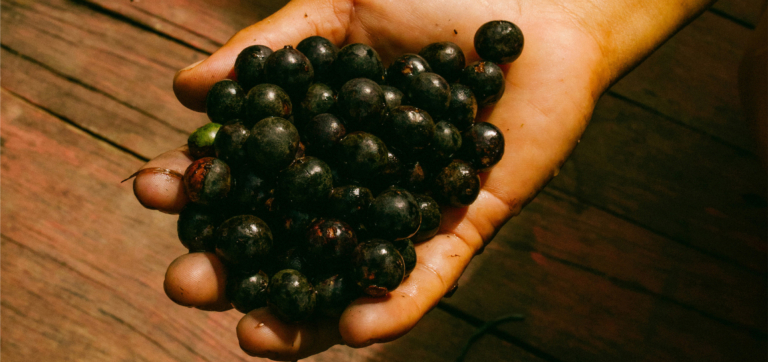
Fruit is packed with polyphenols but also high in sugar—so where does it net out for your gut? Here’s a breakdown of the five best fruits for gut health and how to enjoy them.
Overview You start a probiotic to support your gut—maybe for digestion, regularity, or just to feel like you’re doing something good for your health. But then something unexpected happens: your jeans feel snug, the scale creeps up. It’s a common experience that often leads to the question: Can probiotics cause weight gain? The complicated answer?...
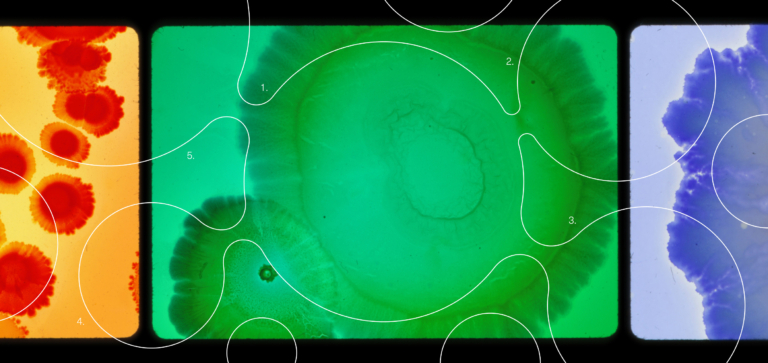
Much of what we thought we knew about the microbiome—and how it affects cancer, Alzheimer’s, and lifelong health—has changed in the past 12 months.