Next Article
What Naturally Kills Bad Bacteria in the Gut? It’s Not What You Think
11 minutes
Not all fiber helps your gut the same way. Learn which fiber rich foods actually feed beneficial bacteria, produce protective compounds, and support your gut barrier, plus how to add more without the bloating.
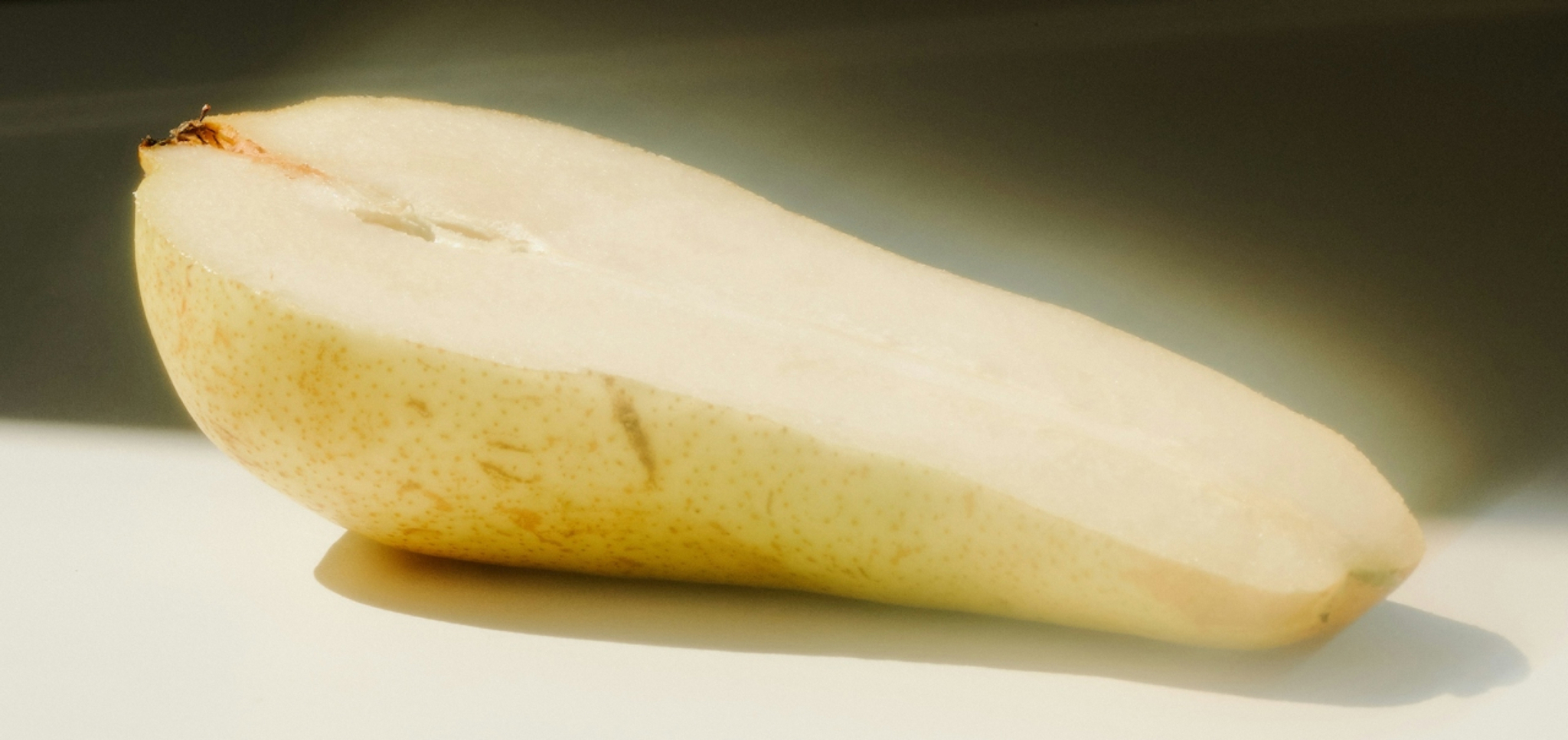
You’ve probably heard “eat more fiber” and assumed it’s a numbers game. Hit 25 or 38 grams a day and you’re good, right? Not quite.
Your gut is home to trillions of microorganisms, and they’re surprisingly picky eaters 🦠. Different bacteria prefer different types of fiber. So eating the same bowl of bran cereal every morning might check a box on a nutrition label, but it won’t do much to support the full range of microbes that keep your digestive system running smoothly.
The real question isn’t just how much fiber you’re eating. It’s how many different kinds. And that shift in thinking changes the way you approach your grocery list, your meals, and your gut health overall.
Saying fiber “helps with digestion” isn’t wrong. It just leaves out almost everything that matters.
Most of the fiber you eat can’t be broken down by your own digestive enzymes. It passes through your stomach and small intestine more or less intact. When it arrives in your colon, your resident gut bacteria get to work fermenting it.1
That fermentation process produces something called short-chain fatty acids, or SCFAs. The three main ones are butyrate, propionate, and acetate. Butyrate is especially important because it’s the primary fuel source for the cells lining your colon, called colonocytes.2 Without enough butyrate, those cells can’t maintain the tight junctions that form your gut barrier — the thin lining that keeps bacteria and toxins from crossing into your bloodstream.
You can think of it like this: fiber is the raw material, your gut bacteria are the factory workers, and SCFAs are the product that keeps the whole operation running. (Quality control included.)
This is where most advice falls short. The standard recommendation of 25 grams per day for women and 38 grams for men is based primarily on cardiovascular and metabolic outcomes.3 It’s not a bad target. But for your gut specifically, variety is the variable that tends to get ignored.
Different fibers are fermented by different bacterial species. Beta-glucan from oats, for example, tends to support different populations than the inulin found in garlic and chicory root, or the resistant starch in cooked-and-cooled potatoes.4 People who ate more than 30 different plant types per week had significantly more diverse gut microbiomes than those who ate 10 or fewer, regardless of total fiber intake.5
The conversation about fiber for gut health shouldn’t stop at grams per day. It’s about feeding a broad community of microbes — because the benefits your gut microbiome delivers, from SCFA production to barrier support to immune signaling, depend on the diversity of bacteria present. And that diversity starts with what you put on your plate.
So instead of fixating on a single number, think about the range of fibers on your plate.
Not every high-fiber food works the same way in your gut. The foods below have the strongest research behind them for microbiome benefits, organized by the type of fiber they deliver.
Prebiotics are a specific subset of dietary fiber that selectively feed beneficial bacteria, such as Bifidobacterium and Lactobacillus species.6 However, not all fiber qualifies as a prebiotic.
Soluble fiber dissolves in water to form a gel-like substance that slows digestion and helps regulate blood sugar and cholesterol. It’s also highly fermentable, meaning your gut bacteria thrive on it.10
Insoluble fiber adds bulk to your stool and helps keep things moving. It’s less fermentable than soluble fiber, but it still plays an important role in gut transit time and overall digestive regularity.
Your gut barrier is a single layer of cells held together by structures called tight junctions. It has a deceptively simple job: let nutrients through while keeping bacteria, toxins, and undigested food particles out. When that barrier is compromised, substances can slip into the bloodstream, triggering an inflammatory immune response.20
Fiber feeds directly into this system. The SCFAs produced from fiber fermentation — particularly butyrate — are the primary energy source for the cells that make up that barrier. Butyrate supports the expression of tight junction proteins, helping those cellular “seals” stay intact.21 Eating enough of the right fibers helps keep your gut’s first line of defense in working order.
SCFAs also have anti-inflammatory properties, helping maintain healthy levels of inflammation in the gut by modulating immune cell activity along the intestinal lining.2 That matters because your gut-associated lymphoid tissue (GALT) represents about 70% of your entire immune system — making it the largest immune organ in your body. The interplay between your gut bacteria, the SCFAs they produce, and your immune cells is what scientists call the gut-immune axis, and fiber plays a foundational role in keeping it balanced.
Dietary fiber and probiotics can also work together through complementary mechanisms. Fiber feeds your resident gut bacteria, fueling SCFA production from the ground up. Certain probiotic strains, meanwhile, have been studied for their own ability to support gut barrier integrity and immune function.
Dietary fiber generates SCFAs through fermentation by your resident bacteria, while clinically studied probiotic strains can independently support barrier function, immune signaling, and microbial balance. Pairing the two gives your gut both the fuel and the specialized microbial support it needs. The delivery of those strains matters, too. DS-01® uses ViaCap® technology, a capsule-in-capsule delivery system engineered to protect its 24 probiotic strains through digestion and deliver them to the colon where they do their work.
Not all probiotics work the same—and the difference often comes down to formulation. While strain specificity is important, it’s the combination of strains, their dosages, and how they’re designed to work together that determines the overall effect. Even within the same species, such as Bifidobacterium longum, different strains can have distinct functions.
A well-designed formulation brings together specific strains that have been selected and studied for complementary roles, rather than simply grouping microbes under familiar species names. This is why looking at the full formulation rather than just individual strains can provide a more meaningful understanding of what a probiotic is designed to support.
Clinically studied formulations are where that distinction matters most. For example, Seed’s DS-01® is formulated with strains that target the microbiome’s connection to whole body health systems. Additionally, DS-01® is clinically validated to improve regularity, reduce bloating, and alleviate gas by transforming the gut microbiome and supporting the gut barrier.

One of the most common pieces of advice you’ll hear is “increase fiber slowly.” That’s sound advice, but it helps to understand why your gut protests in the first place.
When you dramatically increase your fiber intake, you’re suddenly giving your gut bacteria far more material to ferment than they’re used to. The result is a temporary surge in gas production, primarily hydrogen and methane.22 Uncomfortable, yes — but it’s a sign of fermentation activity, not a sign something is wrong.
If you’re adding both fiber and a probiotic to your routine, you may want to space them out. Concurrent intake of probiotics and soluble fibers like inulin or FOS may lead to extra fermentation in some people. Taking your probiotic in the morning and your fiber-rich meal later in the day can help minimize any temporary discomfort.
Here are a few practical strategies:
Your gut microbiome runs like a distributed network — not one system, but thousands of interdependent species, each fermenting what it can reach. Feed them from a single source and you get one strong signal. Feed them from ten and you get ten signals reinforcing each other.
That’s the real story behind fiber diversity: not total grams, but how many fermentation pathways you’re activating. Butyrate from beta-glucan in oats. Propionate from resistant starch in cooled potatoes. Different SCFAs fueling different parts of your gut lining, your immune cells, your barrier proteins — all running in parallel.
Add a clinically studied probiotic alongside that fiber foundation, and you’re pairing the fuel with the workforce. The bacteria you’ve been feeding get strain-specific partners with studied mechanisms. That combination gives your gut the full range of inputs it was designed to work with.
The most productive move isn’t adding more of the same fiber. It’s expanding the range, deepening the soil, and letting diversity do the work. 🌱
No single food — garlic, onions, oats, barley, and legumes rank among the most research-backed, but variety is the real goal. Prebiotic fibers like inulin, fructooligosaccharides (FOS), and beta-glucan tend to be the most well-studied for gut-specific benefits.6 These fibers selectively promote the growth of beneficial bacteria, especially Bifidobacterium species, and are fermented into SCFAs that fuel your gut lining. The best approach is rotating between multiple fiber types — garlic, oats, lentils, apples, and cruciferous vegetables — rather than doubling down on just one.
Build meals around high-fiber whole foods and rotate your sources throughout the week. Most adults in the U.S. eat about 15 grams of fiber per day, roughly half the recommended intake.23 Closing that gap doesn’t require a drastic overhaul. A cup of cooked lentils provides about 15g, a cup of raspberries adds 8g, and a medium pear gives you about 6g. Swap refined grains for whole grains and add a handful of almonds or a tablespoon of chia seeds as a snack. If you aim for fiber at every meal and rotate your sources, hitting 25–38 grams becomes more realistic — and your gut benefits from the variety.5
Irregular bowel movements, hard stools, persistent bloating, feeling hungry soon after meals, and reduced energy over time. These are the most common signs that you might not be getting enough fiber.24 Over the long term, a consistently low-fiber diet has been associated with reduced microbial diversity in the gut, which can affect immune function and nutrient absorption.25 If you’re noticing several of these signs, gradually increasing your fiber intake from a variety of whole food sources is a good starting point — and worth mentioning to your doctor if symptoms persist.
Smoothies made with whole fruits, vegetables, and seeds are the most reliable fiber-rich drinks. Depending on what you blend in, a smoothie can deliver 5–10 grams per serving. Vegetable juices that retain some pulp contain modest amounts as well. Coffee is a surprising entry: a standard 8-ounce cup contains about 1–1.5 grams of soluble fiber.26 Not a lot, but for people who drink two or three cups a day, it adds up. (Not an excuse to drink six — but it does count.) The key is the same as with food: whole, unprocessed ingredients deliver more fiber than filtered or heavily processed versions.



Overview If you’ve walked into a room and forgotten why, searched for a word that won’t come, or felt afternoon brain fog, you’re not alone. 🧠 Your brain is energy-hungry—about 20% of total energy for just 2% of your body weight. It runs best on steady inputs: bioavailable vitamins and minerals, consistent sleep, stress management,...
Overview You’re scrolling through your feed, and there it is: another “#1 food for gut health” headline. Between colon cleanses, gluten-free panic, and low-FODMAP fads, it’s a lot. And when it comes to fruit—sweet, colorful, and sometimes vilified—the science can get buried beneath the buzz. Whole fruits are sometimes dismissed for their sugar or hyped...

Overview Weight loss advice can sometimes feel like a game of telephone—everyone’s heard something, and it’s rarely the same story twice. From dubious “fat-burning” hacks to the promise of various superfoods, it’s a noisy field. These days, prebiotics are having their moment in the spotlight, and you might be wondering if this gut-loving fuel is...