Next Article
What’s the Best Probiotic for Constipation? A Science-Based Guide
10 minutes
Going plant-based doesn’t stop at your plate. Is your probiotic actually vegan—or just labeled that way? Learn what to look for, what to skip, and how to choose a probiotic for vegans that actually works.
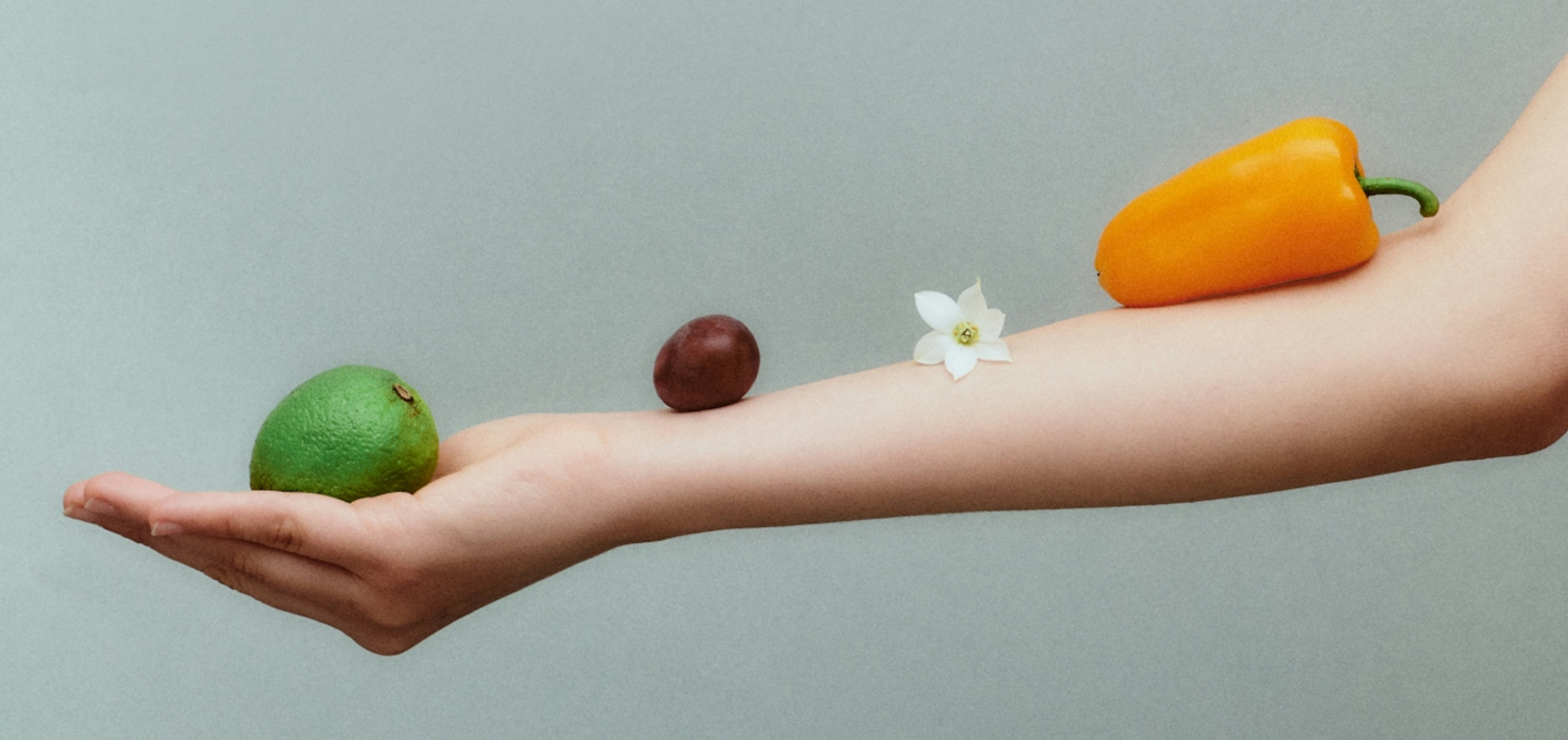
Probiotics can be a smart addition to a plant-based lifestyle—but not all probiotics are created with vegans in mind. From dairy-based growth media to gelatin capsules and sneaky fillers, animal-derived ingredients can pop up in unexpected places. So if you’re trying to find the best probiotics for vegans, the fine print matters more than you’d think.
This guide breaks it all down—no microbiology degree required. You’ll learn what makes a probiotic truly vegan, how to spot the difference between trendy fermented foods and strains that actually meet the scientific standard —and why not all “probiotic foods” might not count. (Sorry, kombucha lovers!) Because supporting your gut as a vegan shouldn’t mean guessing what’s inside the capsule—or compromising your values.
Probiotics aren’t just about “gut-friendly” labels or vague wellness claims. Scientifically, the term refers to something much more specific.
According to the International Scientific Association for Probiotics and Prebiotics (ISAPP), probiotics are “live microorganisms that, when administered in adequate amounts, confer a health benefit on the host.”1
Translation? They’re specific strains of live bacteria (or sometimes yeast) that have been studied in adequate amounts and shown to do something beneficial for the body. Just being alive isn’t enough. And “good bacteria” marketing doesn’t cut it unless there’s real science behind it.
That’s why strain specificity and clinical validation matter—and why we’re being picky in this guide. Because if we’re going to talk about the best probiotic for vegans, they need to qualify as one first.
Here’s where things get a little tricky for vegans.
While the microbes themselves—bacteria and yeast—aren’t animals, the way they’re grown, processed, and packaged can involve animal-derived ingredients. This means that not every probiotic on the shelf is actually vegan-friendly. Let’s take a closer look.
The microorganisms that make up probiotic strains can be isolated from all kinds of sources: dairy products like yogurt and kefir, fermented vegetables, human samples, and even soil. But the origin story doesn’t determine if a probiotic is vegan.
For example, a Lactobacillus strain that was first discovered in yogurt can still be vegan. That’s because once scientists identify a strain, they can grow it over and over in the lab—no dairy needed. As long as it’s grown on a plant-based medium, the end product doesn’t involve any animal ingredients.
So it’s not about where the bacteria came from originally, how they’re grown—today—for the probiotics that end up on your shelf.
There are a few common places where animal-derived ingredients can sneak into your probiotic:
If this sounds like a lot to keep track of—you’re not wrong. The upside? Vegan probiotic options are growing, and spotting them is getting easier. 🔍
Here’s what to look for when you’re scanning that label:
If you’re eating a plant-based diet, your gut may already be primed for probiotic support. Plant-rich diets are naturally high in dietary fiber that feeds the beneficial bacteria already in your gut. People who eat more plants tend to have greater microbial diversity and higher levels of bacteria that produce short-chain fatty acids (SCFAs).3 These compounds fuel the cells lining your colon and may support overall gut health.4
That fiber advantage sets the stage for probiotics. A gut rich in SCFAs and diverse microbial communities can be more receptive to beneficial strains introduced through a probiotic.
This pairing also matters for nutrient absorption. Your microbiome plays a role in how your body processes nutrients from plant-based foods. Non-heme iron (found in plants) can be harder to absorb than heme iron from animal sources. A balanced microbiome may support better absorption. Certain gut bacteria also produce B vitamins, including folate and biologically active forms of B12. For vegans, who rely on plant sources and targeted products for these nutrients, a well-functioning gut ecosystem is especially valuable. 🌿
A plant-based diet and probiotics can complement each other — your high-fiber meals feed beneficial bacteria, and the right strains may help you get more from the food you’re already eating.
Not all vegan probiotics are created equal—and with so many options, it’s easy to get overwhelmed. Here’s how to choose a product that’s not just plant-based, but grounded in science.
When it comes to probiotics—vegan or otherwise—it’s not enough to see a familiar species name on the label. Two strains of the species Lactobacillus plantarum, for example, can have completely different effects depending on how they’ve been studied. The benefits of a probiotic are tied to the exact strain and the dose used in research.
That’s why general claims fall short. A well-formulated product will list the full strain name (like L. plantarum SD-LP1-IT, not just L. plantarum), so you can trace it back to clinical evidence. Producers can grow many of the most effective strains from the Lactobacillus and Bifidobacterium genera entirely on vegan media—making it possible to find both precision and plant-based alignment in the same product.
The label should clearly show how much of each strain is included, usually in AFU (Active Fluorescent Units) or CFU (Colony Forming Units). AFU is an advanced and precise method, using flow cytometry to count all viable cells—even ones that don’t grow on a petri dish but can still do their job in your gut.
More isn’t necessarily better. The key is getting the right dose of the right strain—one that matches what’s been shown to work in research.
Many clinically studied probiotic formulations deliver between 1 billion and 50 billion CFU (or AFU) per day, but the right number depends on the strains involved and what they’ve been studied for. A product with 5 billion CFU of a well-researched strain can be more effective than one with 100 billion CFU of unstudied strains.
Probiotics only work if they make it to your gut alive—and that’s not a given. The journey through your digestive tract involves a gauntlet of harsh conditions, especially the stomach’s acidic environment. Many bacteria don’t make it.
That’s why the delivery system matters. A well-designed probiotic will include some form of protection—like an acid-resistant capsule, a delayed-release mechanism, or a capsule-in-capsule format that helps shield the microbes until they reach the colon.
Some products call this out clearly on the label. Others might not make it obvious. Either way, if there’s no mention of how the probiotic survives digestion, it’s safe to doubt that the strains will make it to the colon, alive and ready to work.
Choosing a truly vegan probiotic means looking beyond the strains. From how the bacteria are grown to capsule ingredients, every part of the process matters. If it’s not on the label, check the website. If it’s not on the website, find an alternative.
Reputable brands are usually clear about the following:
You might also see the word “synbiotic” on some labels, and it’s worth knowing what it means. A synbiotic combines probiotics (beneficial bacteria) with prebiotics (fiber or substrates that feed them). The ISAPP defines a synbiotic as “a mixture comprising live microorganisms and substrate(s) selectively utilized by host microorganisms that confers a health benefit on the host.”5
Think of it as giving the bacteria both a ride and a meal.
While vegan diets are naturally rich in prebiotic fiber from whole grains, legumes, fruits, and vegetables, a synbiotic formulation ensures the probiotic strains get targeted prebiotic support from the moment they enter the gut. If you’re comparing products and one offers this kind of built-in pairing, that’s a point in its favor.
Fermented foods are a staple in many vegan diets—and for good reason. They bring flavor, variety, and a steady stream of live microbes. But are they the same as taking a vegan probiotic product? Not exactly.
Many plant-based diets naturally include fermented favorites like:
These foods can help support microbial diversity and introduce beneficial live cultures into your routine. ☝️ But that doesn’t necessarily make them probiotics by scientific standards.
“Fermented foods can introduce helpful microbes—but if you’re trying to get a specific benefit, you need to know which strains you’re getting, and in what amounts,” explains Dirk Gevers, Ph.D., Chief Scientific Officer at Seed.
🚫 Where fermented foods often fall short:
So while fermented foods support microbial diversity, they serve best as sources of live dietary microbes—not as precision probiotics.7
A well-formulated vegan probiotic product offers what fermented foods can’t: strain-specific bacteria, delivered at studied doses, with a clear understanding of what they’re intended to do. If you’re looking for a more targeted way to support gut health—or specific functions like gut barrier integrity or gut immune response—this kind of precision matters.
Vegan probiotics don’t permanently change your microbiome, but they still play important roles as they pass through.
Here’s what the science says about how vegan probiotics work:
It’s a common assumption that probiotics—vegan or otherwise—permanently settle in the gut. But most strains studied today are transient. They move through the digestive system, interact with your existing microbes, and support key functions along the way. Their benefits come from presence, not permanence—which is why consistent intake matters.8
As these vegan probiotics pass through your gut, they can:
For people following a plant-based diet, these benefits can be especially relevant. The same strains that support gut health also play a role in processes vegans often need extra support with, like nutrient absorption and immune function.
When vegan probiotics include scientifically validated strains at studied dosages, they can support several aspects of health—many of which have been explored in clinical or in vitro research.
Here’s what certain strains have been studied for:
These effects are strain- and dose-specific. So while food sources of microbes offer general microbial diversity, a well-designed probiotic allows for a targeted, research-based approach.
A vegan label on a probiotic doesn’t always tell the full story. To know if it’s truly aligned with both your values and the science, you need to look deeper—at how the strains are grown, which ones are used, how they’re delivered, and whether they’ve actually been studied.
Fermented foods offer microbial variety, but they’re not the same as a precision-formulated product with clinically validated strains. And while most probiotics—including vegan ones—don’t colonize the gut long-term, their real impact happens as they move through, supporting key functions along the way.
When you know what to look for—strain names, studied doses, delivery systems, and transparent sourcing—you’re not just choosing a probiotic. You’re choosing one that fits your biology and your beliefs.
🌱 Whether you’re plant-based or just label-aware, the best decisions aren’t made at face value—they’re cultured with care.
Not necessarily. While the microbes themselves aren’t animal-derived, the way they’re grown matters. If a strain was cultured on dairy-based media or packaged with animal-based ingredients, the final product may not be vegan.
Many strains grow on plant-based media—check for brands that specify this! Psst… Here’s one! 🙂
No—fermented vegan foods contain live microbes, but they typically don’t deliver specific probiotic strains in the studied doses required to meet the scientific definition of a probiotic. If you’re looking for targeted benefits, it might be worth exploring vegan-friendly probiotics. 🌱
For some people, yes. Some individuals may experience mild digestive changes—like gas or bloating—when starting a new probiotic. But this is normal for everyone, whether they’re looking for vegan-friendly options or not. This adjustment phase is usually short-lived and resolves with consistent daily use.
Look for these: vegan labeling, certifications from reputable organizations, and plant-based capsule materials like hypromellose. Review the full ingredient list, and when in doubt, check with the manufacturer about sourcing and growth media.
Yes, especially if you’re pregnant, nursing, immunocompromised, or taking medications. Vegan probiotics are generally well-tolerated, but your doctor can help you choose strains and dosages that match your specific health needs. This is especially true if you’re managing a chronic condition or have recently made significant dietary changes.


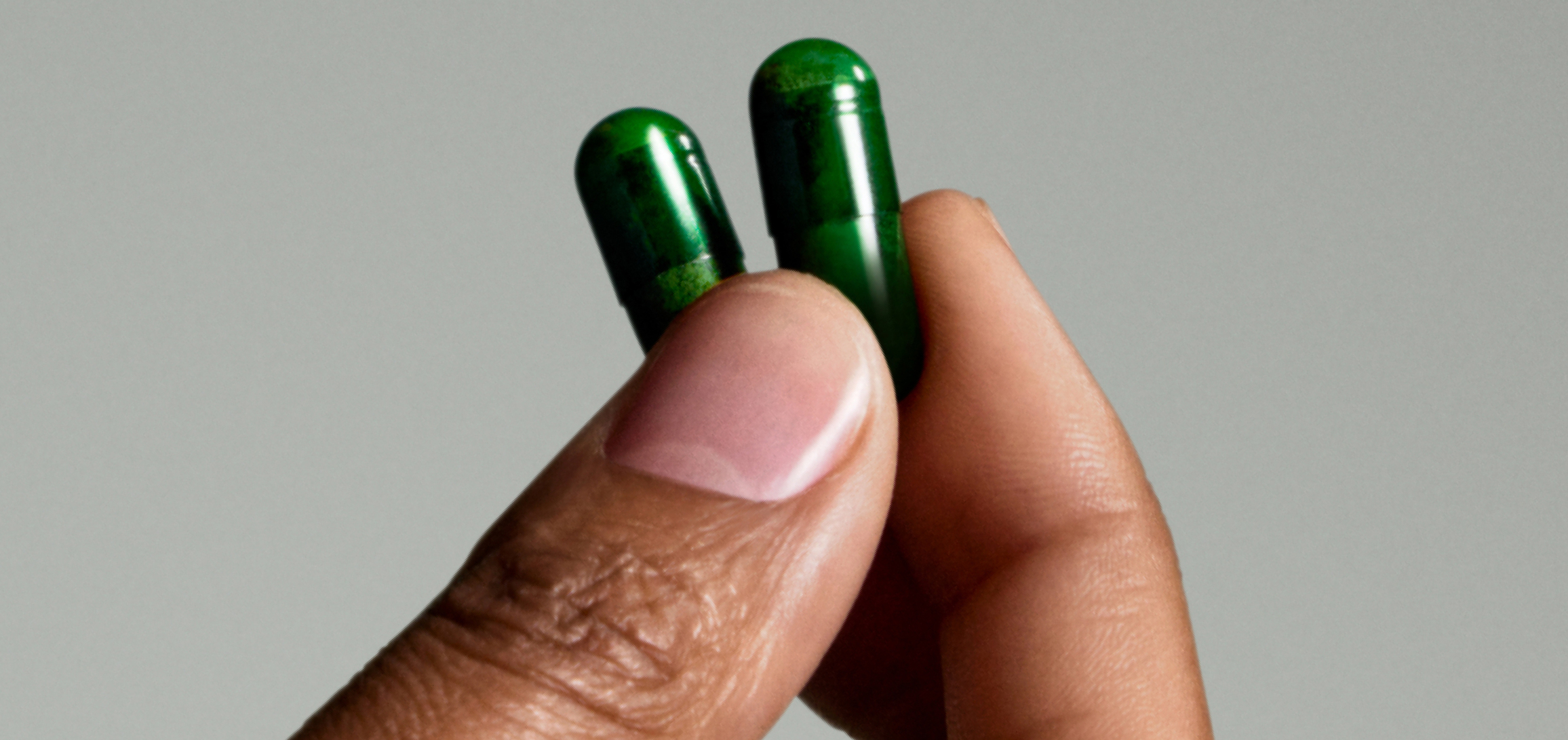
The real question isn’t just “do probiotics work,” but which ones, how much, and in what form. The answer lies in the details—specific probiotic strain, precise dose, and proper delivery method. Discover how science-backed probiotics can support better gut health and a balanced immune system.

When you drink alcohol, your body embarks on a hero's journey to overcome the effects of imbibing. Here's how alcohol affects the microbiome and how you can support your gut in its fight to recover.

Wondering if probiotics are right for your child? Discover how a kid’s gut microbiome develops, what the research says about specific strains, and why clinically studied pediatric synbiotics are changing how families support gut health every day.