Next Article
Probiotic Rich Foods: Your Complete Guide to What Works and What Doesn’t
11 minutes
Your gut doesn't need a war—it needs a strategy. Learn how to naturally manage harmful gut bacteria through diet, beneficial microbes, and how beneficial bacteria crowd out harmful ones. A smarter approach to gut health backed by peer-reviewed evidence.
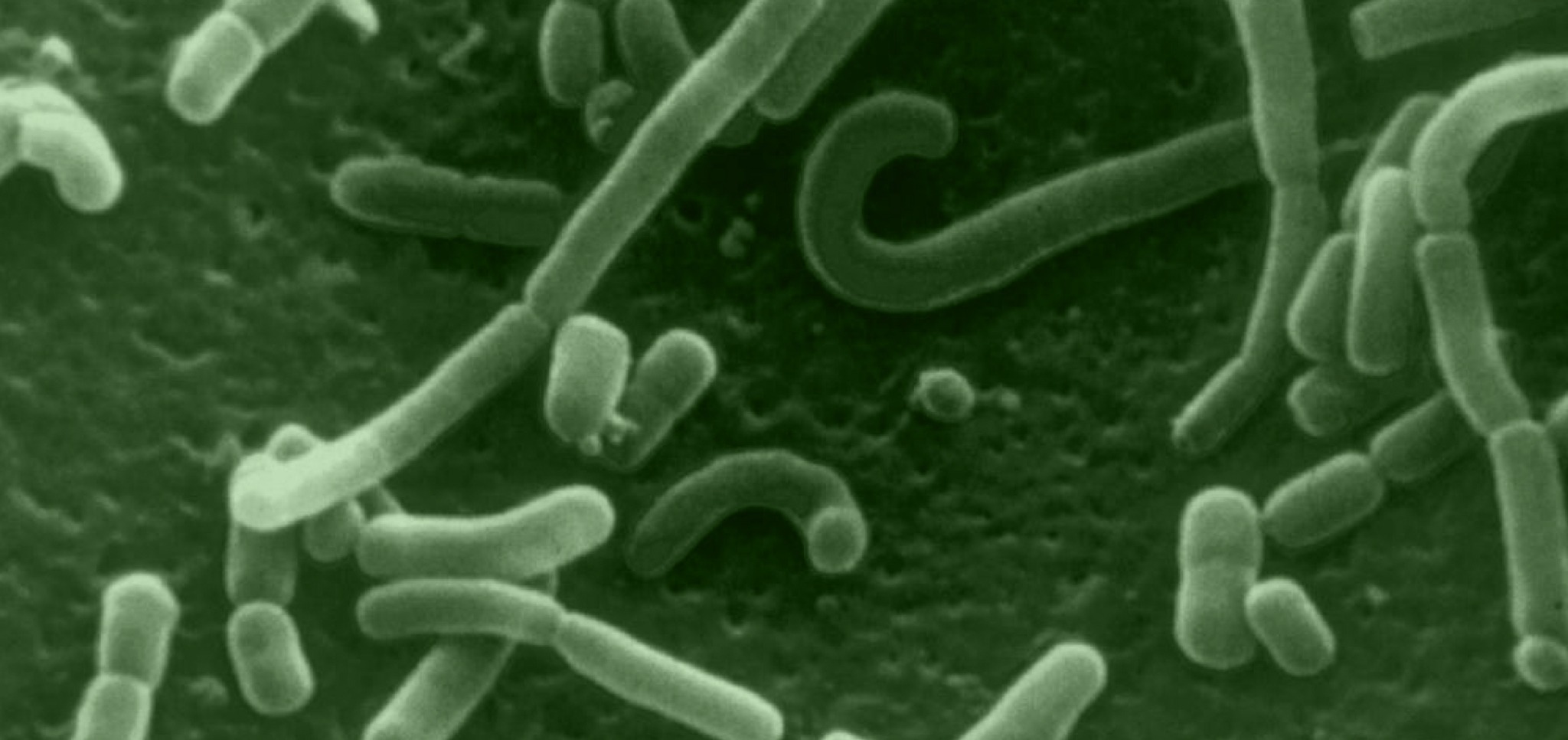
What naturally kills bad bacteria in the gut? It’s a reasonable question, and a common one. Your gut doesn’t feel great, you’ve read that certain bacteria might be to blame, and you want something you can address through food and daily habits.
Here’s the thing, though. The framing of that question (the idea that you need to kill something) might actually be steering you in the wrong direction. Your gut isn’t a battlefield where good and evil face off. It’s more like a rainforest, where balance and diversity determine whether the whole system thrives or falls apart. 🦠
The science suggests the opposite: instead of targeting harmful bacteria directly, you support the beneficial ones so they naturally crowd out the troublemakers.
Most bacteria aren’t inherently good or bad. Their behavior depends on context: what’s around them, how many there are, and whether the microbial community is keeping them in check.1
Take E. coli, for example. Certain strains can cause serious infections. But most E. coli strains live peacefully in your gut, training your immune system and producing metabolites that fuel the cells lining your colon. Wipe them all out, and you’ve just opened up real estate for genuinely problematic species to move in.
This is what happens with broad-spectrum antibiotics. They work, but they’re indiscriminate. They reduce microbial diversity, which can open the door for opportunistic microbes.2 During and after antibiotic courses, certain probiotic strains may support microbiome resilience.3 Even antimicrobial herbs and foods face the same limitation. You can’t target one species without affecting the broader community.4
👉 TL;DR: You can’t selectively knock out bad gut bacteria without affecting the good ones. The better move is to support your beneficial microbes so they can keep the harmful ones in check
There’s a concept in microbiology called competitive exclusion. In plain terms: when beneficial bacteria are thriving (occupying space, consuming available nutrients, producing their own antimicrobial compounds), harmful species have a harder time establishing themselves.5
Your gut has limited real estate. Beneficial bacteria like many Bifidobacterium and Lactiplantibacillus strains compete with potentially harmful bacteria for the same attachment spots on the gut wall and for the nutrients both need to survive.6 When these beneficial populations are robust and diverse, harmful species have a harder time establishing themselves.
Dirk Gevers, Ph.D., Chief Scientific Officer at Seed Health, explains: “The most resilient gut communities aren’t the ones that eliminate all harmful species. They’re the ones diverse enough to keep them in check naturally. It’s competitive exclusion over eradication—your beneficial microbes doing the work for you.”
The competition for space is only part of the picture. When beneficial bacteria ferment dietary fiber, they produce short-chain fatty acids (SCFAs) like butyrate and acetate. These molecules fuel the cells lining your colon, help reinforce the gut barrier, and make the gut more acidic, creating conditions that many harmful bacteria can’t easily tolerate.7
Your gut-associated lymphoid tissue (GALT), where a majority of your immune cells reside, acts as an immune gatekeeper alongside the gut barrier, adding another layer of protection against harmful species.8
🔬 Science Translation: Your gut is already designed to manage harmful bacteria on its own. It just needs the right inputs (fiber, microbial diversity, and a strong barrier) to do the job.
If the goal isn’t “killing” but “outcompeting,” what does that look like in practice?
Fiber is the single most impactful dietary factor for gut microbial health. Your body can’t digest it, but your gut bacteria can, and when they do, they produce SCFAs. Diets rich in vegetables, legumes, whole grains, nuts, and seeds have been consistently linked to greater microbial diversity and lower populations of potentially harmful species.9
Fermented foods like yogurt, kefir, kimchi, and sauerkraut can be worthwhile additions. A 2021 Stanford study found that consistently eating more of them increased microbial diversity and reduced markers of inflammation in just 10 weeks.10
That said, fermented foods and clinically studied probiotics aren’t interchangeable. Fermented foods don’t go through formal testing to confirm which strains are present, whether those strains survive to reach your gut, or whether you’re getting a therapeutic amount. Scientists call the microorganisms in fermented foods “live dietary microbes” to make that distinction clear.
Diets high in sugar and ultra-processed foods do the opposite of what you want. Excess sugar has been associated with overgrowth of potentially harmful bacteria and a reduction in microbial diversity.11 You don’t need to be perfect about this (no one is), but consistently choosing whole foods over processed ones makes a measurable difference.
Your gut lining acts as a gatekeeper, letting nutrients through while keeping bacteria and toxins where they belong. When this barrier is compromised, bacteria that should stay in the intestinal lumen can trigger inflammation. Tight junctions, the molecular “seals” between gut lining cells, are what maintain this barrier, and keeping them strong is one of the most powerful ways to keep harmful bacteria from causing problems.12
Chronic stress activates your gut-brain axis in ways that directly alter microbial composition, and you don’t need extreme stress levels for this to happen.14 Everyday work and life stress can shift your microbial balance over time. Practices like regular physical activity and mindfulness have shown benefits for microbial diversity. Even a daily walk counts.
Sleep follows a similar pattern. Disrupted nights can measurably affect the gut microbiome, while consistently good sleep tends to support microbial stability. Building a regular sleep routine (consistent bedtime, limiting screens before bed, keeping the room cool and dark) is one of the most underrated things you can do for your gut.
Excessive alcohol also disrupts both microbial balance and gut barrier function.15 Occasional moderate intake appears less disruptive than consistent heavy use. None of these changes require perfection. They’re about protecting the diverse ecosystem that does the heavy lifting for you.
Not all probiotics are the same, and the differences matter more than labels let on. Benefits are strain-specific, meaning that clinical evidence for one strain doesn’t transfer to another, even if they fall within the same species. 16
For example, Bifidobacterium longum BB536 has been studied for gut comfort and regularity, while Lactiplantibacillus plantarum LP1 and Bifidobacterium breve BR3 have shown support for healthy bowel habits in a double-blind, placebo-controlled study.17,18
Probiotic organisms are transient: they work through temporary interactions with your resident microbes rather than permanent colonization.20 Consistency matters, and so does delivery. DS-01® uses ViaCap®, a capsule-in-capsule system that protects the probiotic organisms through digestion for precision delivery to the colon, where they do the bulk of their work.
Your gut microbiome is less a problem to fix than a garden to tend. Eating more fiber, choosing strain-specific probiotics, managing stress and sleep: these aren’t separate levers. They all feed into the same underlying principle: a diverse, well-nourished beneficial community is one that harmful bacteria can’t easily displace.
When you eat more fiber, you’re feeding the bacteria that produce SCFAs. When those SCFAs strengthen the gut barrier, you’re creating the conditions where competitive exclusion actually plays out. When you manage stress and sleep, you’re protecting that same barrier from disruption. Pull these threads together and a bigger pattern comes into view: the answer is always diversity.
The goal isn’t elimination—it’s cultivation. The more varied your beneficial microbial community, the more resilient the whole ecosystem becomes.
🌱 The strongest guts aren’t weeded—they’re planted.
You can’t selectively flush harmful bacteria without disrupting the beneficial ones. What you can do is create conditions where good bacteria outcompete harmful species over time. That means eating plenty of fiber (which feeds beneficial bacteria and drives production of protective short-chain fatty acids), incorporating fermented foods, reducing sugar and processed foods, and managing stress and sleep. Probiotics that have actually been studied for the benefits you want can also help by reinforcing beneficial populations and supporting gut barrier integrity.21 It’s less about flushing and more about crowding out. When your good bacteria are thriving, there’s less room for the problematic ones.
Probably not in any meaningful way. Apple cider vinegar contains acetic acid, which has antimicrobial properties in lab settings. But your stomach acid is far more potent than anything in a bottle of vinegar. By the time apple cider vinegar reaches your intestines, it’s been diluted and neutralized enough that it’s unlikely to meaningfully affect your gut bacteria either way. Research supporting apple cider vinegar for gut health is extremely limited. Your time and effort are better spent on strategies with stronger evidence, like dietary fiber, fermented foods, and clinically validated probiotics with strain-level evidence for the benefits you’re looking for.
No single food selectively kills harmful gut bacteria. But some foods help beneficial microbes crowd them out. Fiber-rich foods (vegetables, legumes, whole grains, fruits) feed the bacteria that produce short-chain fatty acids, which lower gut pH and make it harder for opportunistic species to dominate.9 Fermented foods like yogurt, kefir, kimchi, and sauerkraut increase microbial diversity and lower inflammation markers.10 Diets high in added sugar and artificial sweeteners do the opposite, reducing diversity and favoring pro-inflammatory species.11 Some herbs and spices contain antimicrobial compounds, but those compounds aren’t selective: in high doses they suppress beneficial microbes too. 4 The best strategy isn’t killing. It’s feeding the good bacteria until there’s no room for the rest.
Cut sugar and ultra-processed foods. Certain harmful bacteria thrive on simple sugars, so reducing these in your diet can limit their fuel supply.11 But keep in mind: you can’t selectively starve one type of bacteria. Your dietary choices affect the whole microbial community. The more effective approach is to feed the bacteria you want to thrive. A diet rich in diverse plant fibers, polyphenols (found in berries, green tea, and pomegranate), and fermented foods shifts the competitive balance by giving beneficial species the nutrients they need to outgrow harmful ones.
Nothing selectively — and that’s the point. Garlic, oregano, and similar antimicrobial herbs can inhibit certain bacteria in laboratory conditions.4 The challenge is that these compounds affect beneficial and harmful bacteria alike, so using them aggressively could reduce the microbial diversity that protects your gut. If you’re dealing with persistent digestive symptoms, consulting a healthcare provider is a better move than self-treating with concentrated herbal antimicrobials. For everyday gut support, focus on building up your beneficial bacteria through diet and clinically studied probiotics with demonstrated strain-level benefits rather than trying to eliminate specific species.


Strategies for supporting digestive health beyond diet—from regulating your sleep timing to exploring your local park.
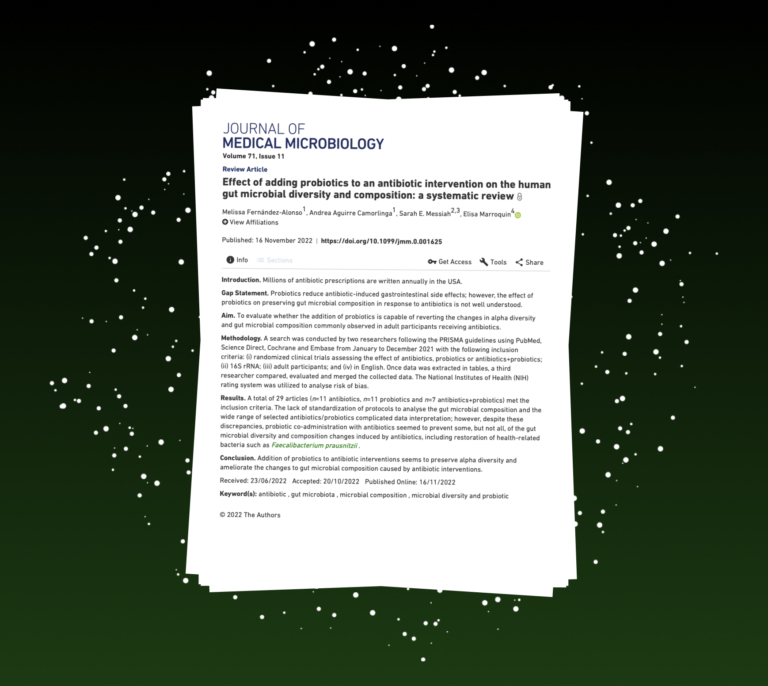
In the last two decades, scientific exploration into the microbiome has skyrocketed, with over $1.7 billion spent on human microbiome research since 2009. 1 Advancements in sequencing technology empowered discoveries that elucidate the microbiome’s critical role in health and disease, charted the development of the infant microbiome, and have even begun to define how our...
Overview You’re scrolling through your feed, and there it is: another “#1 food for gut health” headline. Between colon cleanses, gluten-free panic, and low-FODMAP fads, it’s a lot. And when it comes to fruit—sweet, colorful, and sometimes vilified—the science can get buried beneath the buzz. Whole fruits are sometimes dismissed for their sugar or hyped...