Probiotics for food poisoning recovery may offer modest support, but they're not a cure. Learn what food poisoning does to your gut, which probiotic strains have been studied for acute diarrhea, and which warning signs call for a doctor instead.
Probiotics aren’t a cure for food poisoning, but a few specific strains may offer modest support as your body recovers naturally.
Foodborne pathogens disrupt your gut microbiome and can damage your intestinal lining, leading to symptoms like diarrhea and inflammation.
Specific probiotic strains may support recovery by competing with pathogens for resources, reinforcing the gut barrier, and communicating with your immune system.
Not all probiotics are the same. Benefits are strain-specific, and research on acute diarrhea points to just a few specific strains.
We’ve all been there. That sinking feeling a few hours after a questionable meal, when your stomach starts to churn, and you begin to retrace every culinary step. You’ve officially entered the regrettable, uncomfortable, and downright miserable world of food poisoning (also called foodborne illness).
As you ride out the storm, you might wonder if there’s anything you can do to speed up the recovery process. In the swirl of gut health trends, probiotics often come up as a go-to for digestive woes. But can they actually help when you’re dealing with a full-blown pathogenic invasion? 🤔
The short answer: Probiotics may offer support—but probably not in the way you expect. They’re not a cure, and they won’t instantly stop food poisoning. Instead, think of certain probiotics as a highly skilled support crew for your gut, helping to manage the chaos while your body does the heavy lifting. For a few well-studied strains, that may mean diarrhea that wraps up a little sooner.
What Food Poisoning Does to Your Gut
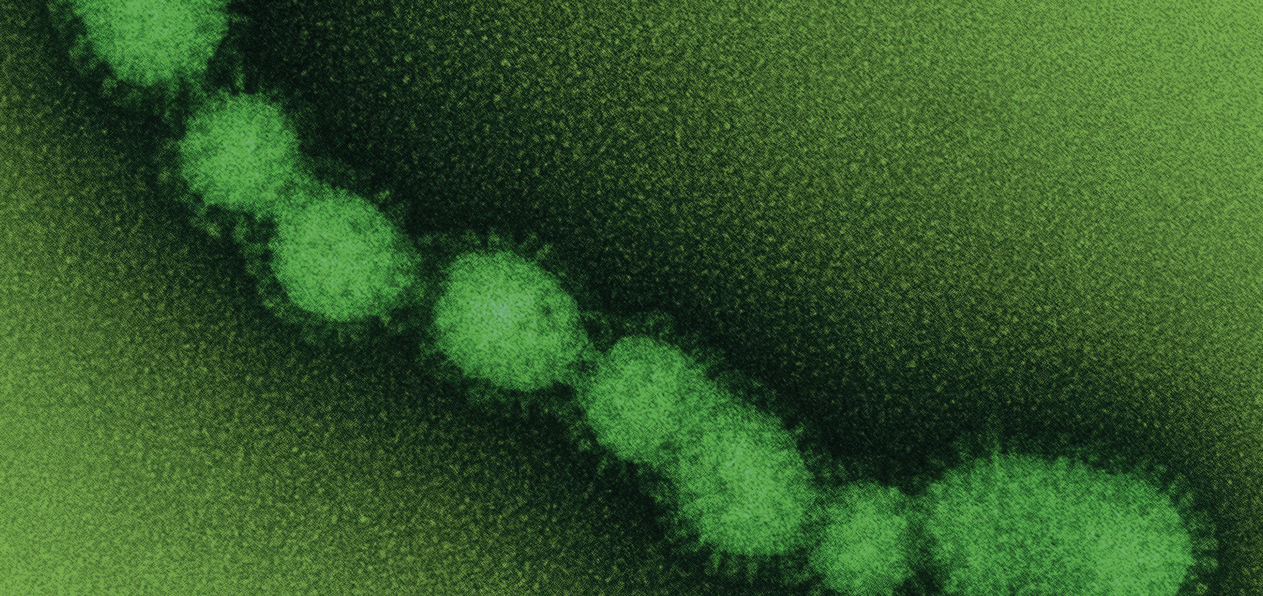
When you get food poisoning, you’ve eaten food contaminated with harmful microorganisms (pathogens) like Salmonella, Escherichia coli (E. coli), or Campylobacter, or with the toxins they produce. Your whole gut ecosystem takes the hit.
Food Poisoning Symptoms: Your Body’s Defense Response
The symptoms we associate with food poisoning—nausea, vomiting, diarrhea, and cramping—are your body’s natural defense mechanisms kicking into high gear to expel the invaders. These pathogens and their toxins trigger a strong inflammatory response in your gut, which disrupts fluid absorption and ramps up discomfort.1
That inflammation can also damage the delicate lining of your intestines, known as the gut barrier. One part of this barrier is a layer of cells held together by protein complexes called tight junctions. Think of them as security gates that keep the good stuff in and the bad stuff out. Foodborne pathogens can weaken these tight junctions, leading to increased intestinal permeability, a condition sometimes called “leaky gut.”2
How Food Poisoning Disrupts Your Gut Microbiome
On top of the physical damage, food poisoning throws your resident gut microbes into chaos. The invading pathogens upset the finely tuned balance of your gut microbiome, leaving it in an imbalanced state called dysbiosis. They compete with your beneficial bacteria for nutrients and space, often leading to a sharp decline in the good guys and a rise in the bad ones.3
For most people, the microbiome eventually recovers. But for some, this disruption can have lingering effects. A serious bout of infectious gastroenteritis (an infection of the stomach and intestines) can increase your risk of developing post-infectious irritable bowel syndrome (PI-IBS), where symptoms like bloating, pain, and altered bowel habits stick around long after the infection is gone.4 (Turns out what happens in your gut doesn’t always stay in your gut.)
🔬 Science Translation: Food poisoning inflames your gut, can loosen the seals between the cells lining it, and knocks your gut microbes out of balance. Most guts bounce back, but for some people, symptoms linger long after the infection clears.
Can Probiotics Help You Recover From Food Poisoning?
Probiotics do not treat or cure food poisoning. If you have a severe case, seek medical attention for proper hydration and care.
That said, research suggests a few specific probiotic strains may play a modest supporting role, mostly by helping diarrhea end a little sooner. They don’t fight the battle for you, and they don’t wipe out the germ that made you sick. They support your body’s own recovery systems.5,6
How Probiotics May Support Your Gut’s Recovery
Researchers are still studying these effects, but here are the main ways certain probiotics may work:
Crowding Out Pathogens: Think of it as microbial musical chairs. Probiotic and resident microbes compete with pathogens for attachment sites on your gut lining and for nutrients (a process called competitive exclusion). By crowding out the bad actors, probiotics can make it harder for harmful bacteria to stick around and cause trouble.7
Producing Antimicrobial Compounds: Some probiotic strains work like microbial bouncers, producing antimicrobial compounds (like bacteriocins) that help keep pathogens from multiplying out of control.8
Reinforcing the Gut Barrier: Certain strains may help reinforce the tight junctions between your intestinal cells, keeping the gut lining strong and less permeable to unwanted guests. In one trial of young kids with viral or parasitic diarrhea, for example, fewer of those taking Lactobacillus rhamnosus GG still had a leaky gut lining weeks later.9
Balancing the Immune Response: Your gut is the headquarters of your immune system. Some probiotics interact with immune cells in the gut (the gut-associated lymphoid tissue, or GALT), supporting a balanced and effective immune response to infection—without causing unnecessary inflammation.10
What Are the “Best” Probiotic Strains for Food Poisoning Recovery?
If you’ve ever scanned a probiotic label, you know it’s a wild world of long, Latin names. But benefits are strain-specific: one Lactobacillus isn’t interchangeable with another, and your gut needs the right specialist for the job. (Would you hire a plumber to do your taxes? Didn’t think so.)
Probiotic Strains Studied for Shorter Diarrhea
For food poisoning, and acute infectious diarrhea in particular, three strains show up again and again in expert guidance. ESPGHAN, a European pediatric GI society, says all three may be considered for kids with acute gastroenteritis (a sudden stomach or intestinal infection), and newer studies haven’t changed that.5,11
A well-studied Lactobacillus strain: One of the most researched probiotic strains. Researchers who pooled trial data found it may shorten acute diarrhea in children.12,13
A beneficial yeast: Not a bacterium at all! This one’s been studied in both adults and kids.
In Adults: In a small trial of 46 adults with viral diarrhea, 70% of people taking the yeast reported improvement by day four, compared with 26% on a placebo. Symptom severity didn’t differ between the groups.14 An adult medical-records review pointed the same way, though that kind of study can’t rule out other explanations.15
In Kids: In children under five, pooled trials linked it to shorter bouts of diarrhea and shorter hospital stays, with no adverse events reported.16
A third bacterial strain: It rounds out the pediatric guideline list, and most of its research is in children, too.5,11
How Much Can Probiotics Shorten Diarrhea?
The benefit looks modest. In pooled studies of children, the probiotics tested were linked to diarrhea that ended about a day sooner and to shorter hospital stays.6,17 Reviewers rate the certainty of that evidence as low to very low, and trials in adults are still few.6
One more catch: Food poisoning is usually caused by bacteria or their toxins, but the yeast trial in adults studied viral diarrhea (and viral ≠ bacterial). So it’s not yet clear how well these results apply to bacterial food poisoning.
Probiotic Strains Studied Against Foodborne Pathogens
Some specific probiotic strains have eased diarrhea caused by foodborne pathogens like E. coli and Salmonella—at least in mice.18,19 Whether that holds up in people is still unknown.
Probiotic Strains Studied for Gut Barrier Support
In a cell-culture study (intestinal cells grown in a lab dish), one multi-strain blend of Bifidobacterium and Lactobacillus helped support the proteins that hold intestinal cells together.20 It’s an early lab finding, not proof that it works in people.
👉 TL;DR: Three specific strains have the most research for acute diarrhea, mostly in kids, and any benefit looks modest. Research on probiotics blocking food poisoning germs or supporting the gut barrier is still early, and much of it comes from mice or lab dishes.
What to Know Before Taking Probiotics for Food Poisoning
Taking probiotics for food poisoning isn’t as simple as popping a pill and hoping for the best.
Preventing Food Poisoning Starts With Food Safety
No probiotic has been shown to keep food poisoning from happening. Your best defense is old-fashioned food safety: clean hands, properly cooked and chilled food, and a hard pass on that questionable egg salad. 🥚
A varied, fiber-rich diet still matters for your gut day to day. Your gut microbes and immune system work closely together, and what you eat helps shape both.21 Just don’t count on it as a shield against a contaminated meal.
Food Poisoning Recovery: What Comes First
If you’re in the thick of food poisoning (especially if you’re vomiting), focus on hydration first. In studies, probiotics were an add-on to rehydration during the illness, and there’s no set rule for how long to keep taking one afterward.
Here’s the general recovery order clinicians follow:1
Fluids First: Replace the fluids and electrolytes you’ve lost. Young children, older adults, and people with weakened immune systems may need a medical oral rehydration solution.
Food When You’re Ready: Start eating again as your appetite comes back.
Go Easy on OTC Meds: Over-the-counter antidiarrheals aren’t for bloody diarrhea or a fever, and kids shouldn’t take them without a clinician’s OK.
Antibiotics Only if Prescribed: Most cases clear up without them, so take them only if a clinician says so.
When to Call a Doctor About Food Poisoning
Probiotics are generally safe for most healthy adults. But call your doctor if you have:
Bloody diarrhea
A high fever
Signs of dehydration, like peeing very little or feeling dizzy when you stand
Vomiting that keeps you from holding down fluids
Diarrhea that lasts more than a few days
Some people should call a clinician sooner, even with milder symptoms. That includes infants and children, older adults, pregnant people, and anyone with a weakened immune system. If that’s you, ask a clinician before trying a probiotic, too. S. boulardii, for example, carries rare but serious risks for people who are seriously ill or have a central line (a long-term IV).22
Post-Infectious IBS: When Gut Symptoms Linger After Food Poisoning
Sometimes, even after the infection is gone, your gut’s not back to normal. PI-IBS happens when inflammation and microbial chaos from food poisoning lead to ongoing symptoms.4 If bloating, belly pain, or bathroom changes stick around for weeks after you recover, it’s worth a follow-up with your doctor.
What to Look for in a Probiotic for Food Poisoning Recovery
Three things to check before you buy:
Strain Specificity and Dosage: Look for the full strain name, and check that it matches a strain (and an amount) used in studies of acute diarrhea. A species name ≠ a studied strain.
Live and Well-Defined: By definition, probiotics are live microbes shown to benefit health in a specific amount. A blend with no strain names makes that hard to judge.23
Quality and Testing: Choose products from companies that transparently test for potency, purity, and contaminants. Don’t be afraid to ask for proof.
💡 Pro Tip: If you’re not sure a product fits, bring the label to your doctor or pharmacist. They can check whether its strain matches one that’s actually been studied for diarrhea.
The Key Insight
Probiotics aren’t quick fixes or cures for food poisoning, and they don’t clear out the germ that made you sick. At most, certain probiotics offer modest support, like diarrhea that ends about a day sooner in studies of kids. Crowding out pathogens, reinforcing your gut barrier, and dialing in your immune response are promising ideas, but much of that research is still early.
Fluids, rest, and time do the heavy lifting. Know the warning signs, loop in your doctor when you need to, and think of any probiotic as a sidekick, not the hero.
🌱 Because the best outcomes for your gut are always seeded in science.
Frequently Asked Questions (FAQs)
What Is the Fastest Way to Flush Out Food Poisoning?
There’s no real shortcut: The fastest way through food poisoning is to let your body’s natural defenses do their job. Vomiting and diarrhea are how your system expels the pathogens.
The best thing you can do is support this process by staying hydrated with plenty of water and electrolyte solutions, and getting adequate rest.
How Do You Heal Your Gut After Food Poisoning?
Healing your gut after food poisoning comes down to fluids, food, and time.
Rehydrate: Replace the fluids you’ve lost.
Ease Back Into Eating: Start eating again as your appetite returns, beginning with gentle foods (like bananas, rice, applesauce, and toast) and easing back into your usual diet.
Give Your Microbiome Time: For most people, it bounces back on its own. If you’re curious about a probiotic, check with your doctor first.
What Will Destroy Most Food Poisoning Bacteria?
Your immune system is your body’s primary defense for destroying invading bacteria. For severe bacterial food poisoning, a doctor may prescribe antibiotics.
While probiotics don’t “destroy” bacteria like antibiotics do, some strains can create an environment that’s hostile to pathogens by producing antimicrobial compounds and competing for space and nutrients.7,8
How Long After Food Poisoning Should I Take Probiotics?
There’s no set answer. Studies gave probiotics alongside fluids during the illness itself, and there’s no established timeline for afterward. If you’re thinking about trying one, chat with a doctor first.
Can Probiotics Make Food Poisoning Worse?
For most healthy people, probiotics are unlikely to make food poisoning worse. That said, introducing them during intense vomiting may not be effective. In rare cases, some people might experience temporary gas or bloating as their microbiome adjusts.
If symptoms worsen, stop taking them and consult a doctor. Probiotics are not recommended for people who are seriously ill, in intensive care, or severely immunocompromised without a doctor’s supervision.22
Should I Take Probiotics to Prevent Food Poisoning?
Sadly, no. There’s no good evidence that any probiotic can keep you from getting food poisoning. Food safety does the preventing:
Wash your hands.
Keep raw meat away from ready-to-eat foods.
Cook food thoroughly.
Refrigerate leftovers promptly.
And if something smells or looks off, trust your gut and toss it.
Citations
Akhondi, H., Goldin, J., Simonsen, K. A. (2025). Bacterial gastroenteritis. In: StatPearls. Treasure Island (FL): StatPearls Publishing. https://www.ncbi.nlm.nih.gov/books/NBK551643/
Li, X., Tan, C. P., Liu, Y. F., Xu, Y. J. (2020). Interactions between food hazards and intestinal barrier: Impact on foodborne diseases. Journal of Agricultural & Food Chemistry, 68(50):14728–38. https://doi.org/10.1021/acs.jafc.0c07378
Horrocks, V., King, O. G., Yip, A. Y. G., Marques, I. M., McDonald, J. A. K. (2023). Role of the gut microbiota in nutrient competition and protection against intestinal pathogen colonization. Microbiology, 169(8):001377. https://doi.org/10.1099/mic.0.001377
Sadeghi, A., Biglari, M., Nasseri Moghaddam, S. (2019). Post-infectious irritable bowel syndrome: A narrative review. Middle East Journal of Digestive Diseases, 11(2):69–75. https://doi.org/10.15171/mejdd.2019.130
Gwee, K. A., Lee, W. R. W., Chua, Q., Chiou, F. K., Aw, M. M., Koh, Y. H. (2025). The evidence for probiotics in the treatment of digestive disorders in the pediatric population. Journal of Gastroenterology & Hepatology, 40(1):41–47. https://doi.org/10.1111/jgh.16809
Higuchi, T., Furuichi, M., Maeda, N., Tsugawa, T., Ito, K. (2024). Effects of probiotics in children with acute gastroenteritis: A systematic review and meta-analysis focusing on probiotics utilized in Japan. Journal of Infection & Chemotherapy, 30(4):337–42. https://doi.org/10.1016/j.jiac.2023.11.005
Rahman, M. N., Barua, N., Tin, M. C. F., Dharmaratne, P., Wong, S. H., Ip, M. (2024). The use of probiotics and prebiotics in decolonizing pathogenic bacteria from the gut; a systematic review and meta-analysis of clinical outcomes. Gut Microbes, 16(1):2356279. https://doi.org/10.1080/19490976.2024.2356279
Anjana & Tiwari, S. K. (2022). Bacteriocin-producing probiotic lactic acid bacteria in controlling dysbiosis of the gut microbiota. Frontiers in Cellular & Infection Microbiology, 12:851140. https://doi.org/10.3389/fcimb.2022.851140
Sindhu, K. N., Sowmyanarayanan, T. V., Paul, A., Babji, S., Ajjampur, S. S., Priyadarshini, S., Sarkar, R., Balasubramanian, K. A., Wanke, C. A., Ward, H. D., Kang, G. (2014). Immune response and intestinal permeability in children with acute gastroenteritis treated with Lactobacillus rhamnosus GG: A randomized, double-blind, placebo-controlled trial. Clinical Infectious Diseases, 58(8):1107–15. https://doi.org/10.1093/cid/ciu065
Mazziotta, C., Tognon, M., Martini, F., Torreggiani, E., Rotondo, J. C. (2023). Probiotics mechanism of action on immune cells and beneficial effects on human health. Cells, 12(1):184. https://doi.org/10.3390/cells12010184
Zemła, M., Kotowska-Bąbol, M., Szajewska, H. (2026). An update on probiotics in paediatrics. Current Opinion in Clinical Nutrition & Metabolic Care, 29(3):320–26. https://doi.org/10.1097/MCO.0000000000001192
Szajewska, H., Kołodziej, M., Gieruszczak-Białek, D., Skórka, A., Ruszczyński, M., Shamir, R. (2019). Systematic review with meta-analysis: Lactobacillus rhamnosus GG for treating acute gastroenteritis in children—a 2019 update. Alimentary Pharmacology & Therapeutics, 49(11):1376–84. https://doi.org/10.1111/apt.15267
Capurso, L. (2019). Thirty years of Lactobacillus rhamnosus GG: A review. Journal of Clinical Gastroenterology, 53(Suppl 1):S1–S41. https://doi.org/10.1097/MCG.0000000000001170
Salazar-Parra, M. A., Cruz-Neri, R. U., Trujillo-Trujillo, X. A., Dominguez-Mora, J. J., Cruz-Neri, H. I., Guzmán-Díaz, J. M., Guzmán-Ruvalcaba, M. J., Vega-Gastelum, J. O., Ascencio-Díaz, K. V., Zarate-Casas, M. F., González-Ponce, F. Y., Barbosa-Camacho, F. J., Fuentes-Orozco, C., Cervantes-Guevara, G., Cervantes-Pérez, E., Cervantes-Cardona, G. A., Cortés-Flores, A. O., González-Ojeda, A. (2023). Effectiveness of Saccharomyces boulardii CNCM I-745 probiotic in acute inflammatory viral diarrhoea in adults: Results from a single-centre randomized trial. BMC Gastroenterology, 23(1):229. https://doi.org/10.1186/s12876-023-02863-8
Pal, B. B., Bandagi, R. V., Pebbili, K. K., Rathod, R., Kotak, B., Dhanaki, G., Shah, S. (2024). Effectiveness of Saccharomyces boulardii CNCM I-745 in adult Indian patients with diarrhoea: A real-world, multicentre, retrospective, comparative study. Drugs – Real World Outcomes, 11(2):309–16. https://doi.org/10.1007/s40801-024-00424-3
Fu, H., Li, J., Xu, X., Xia, C., Pan, Y. (2022). Effectiveness and safety of Saccharomyces boulardii for the treatment of acute gastroenteritis in the pediatric population: A systematic review and meta-analysis of randomized controlled trials. Computational & Mathematical Methods in Medicine, 2022:6234858. https://doi.org/10.1155/2022/6234858
Huang, R., Xing, H. Y., Liu, H. J., Chen, Z. F., Tang, B. B. (2021). Efficacy of probiotics in the treatment of acute diarrhea in children: A systematic review and meta-analysis of clinical trials. Translational Pediatrics, 10(12):3248–60. https://doi.org/10.21037/tp-21-511
Pradhan, B., Guha, D., Naik, A. K., Banerjee, A., Tambat, S., Chawla, S., Senapati, S., Aich, P. (2019). Probiotics L. acidophilus and B. clausii modulate gut microbiota in Th1- and Th2-biased mice to ameliorate Salmonella Typhimurium-induced diarrhea. Probiotics & Antimicrobial Proteins, 11(3):887–904. https://doi.org/10.1007/s12602-018-9436-5
Yang, B., Huang, Z., He, Z., Yue, Y., Zhou, Y., Ross, R. P., Stanton, C., Zhang, H., Zhao, J., Chen, W. (2021). Protective effect of Bifidobacterium bifidum FSDJN7O5 and Bifidobacterium breve FHNFQ23M3 on diarrhea caused by enterotoxigenic Escherichia coli. Food & Function, 12(16):7271–82. https://doi.org/10.1039/d1fo00504a
di Vito, R., Conte, C., Traina, G. (2022). A multi-strain probiotic formulation improves intestinal barrier function by the modulation of tight and adherent junction proteins. Cells, 11(16):2617. https://doi.org/10.3390/cells11162617
Wiertsema, S. P., van Bergenhenegouwen, J., Garssen, J., Knippels, L. M. J. (2021). The interplay between the gut microbiome and the immune system in the context of infectious diseases throughout life and the role of nutrition in optimizing treatment strategies. Nutrients, 13(3):886. https://doi.org/10.3390/nu13030886
Doron, S. & Snydman, D. R. (2015). Risk and safety of probiotics. Clinical Infectious Diseases, 60(Suppl 2):S129–34. https://doi.org/10.1093/cid/civ085
Reid, G., Gadir, A. A., Dhir, R. (2019). Probiotics: Reiterating what they are and what they are not. Frontiers in Microbiology, 10:424. https://doi.org/10.3389/fmicb.2019.00424
Leigh Weingus is a New York City-based journalist and editor with a passion for making science, health, and wellness accessible to a wide audience. After graduating with a BA from UC Davis in 2009, Leigh started her career in entertainment journalism before pivoting to the wellness space (and becoming a certified yoga instructor along the way!). Her bylines have appeared in The Washington Post, Self, Glamour, Forbes, Parade, and many more. When she’s not writing, you can find Leigh exploring the Upper West Side with her husband and two young daughters or taking a class at her local yoga studio.
Mirae Lee is a microbiologist and science communicator. She has extensive hands-on experience in the lab as a former bacterial researcher, with a primary focus on the gut microbiome. Through her scientific and academic background, she is dedicated to making science more accessible and more easily digestible. She is also passionate about raising awareness of how not all bacteria are harmful and that many actually contribute to human and planetary health.