Can probiotics help with bad breath? Here, we review the science of what causes halitosis, how the oral microbiome and its VSC-producing bacteria cause odor, which probiotic strains have research behind them, and why delivery format (lozenge vs. swallowed capsule) makes all the difference.
Probiotics for Bad Breath: Science-Backed Solution or Oral Health Hype?
Overview
Bad breath, also called halitosis, often comes from an imbalance of microbes in your mouth—a community known as the oral microbiome.
These microbes break down food and release volatile sulfur compounds (VSCs)—the main culprits behind unpleasant breath.
Certain probiotic strains have been researched for their ability to help manage bad breath by competing with VSC-producing bacteria and supporting a balanced oral ecosystem.
Lozenges, chewables, and rinses can deliver helpful bacteria to your mouth, while swallowed capsules typically target your gut.
The science is promising, but more studies are needed to know which probiotic strains/doses work best for bad breath.
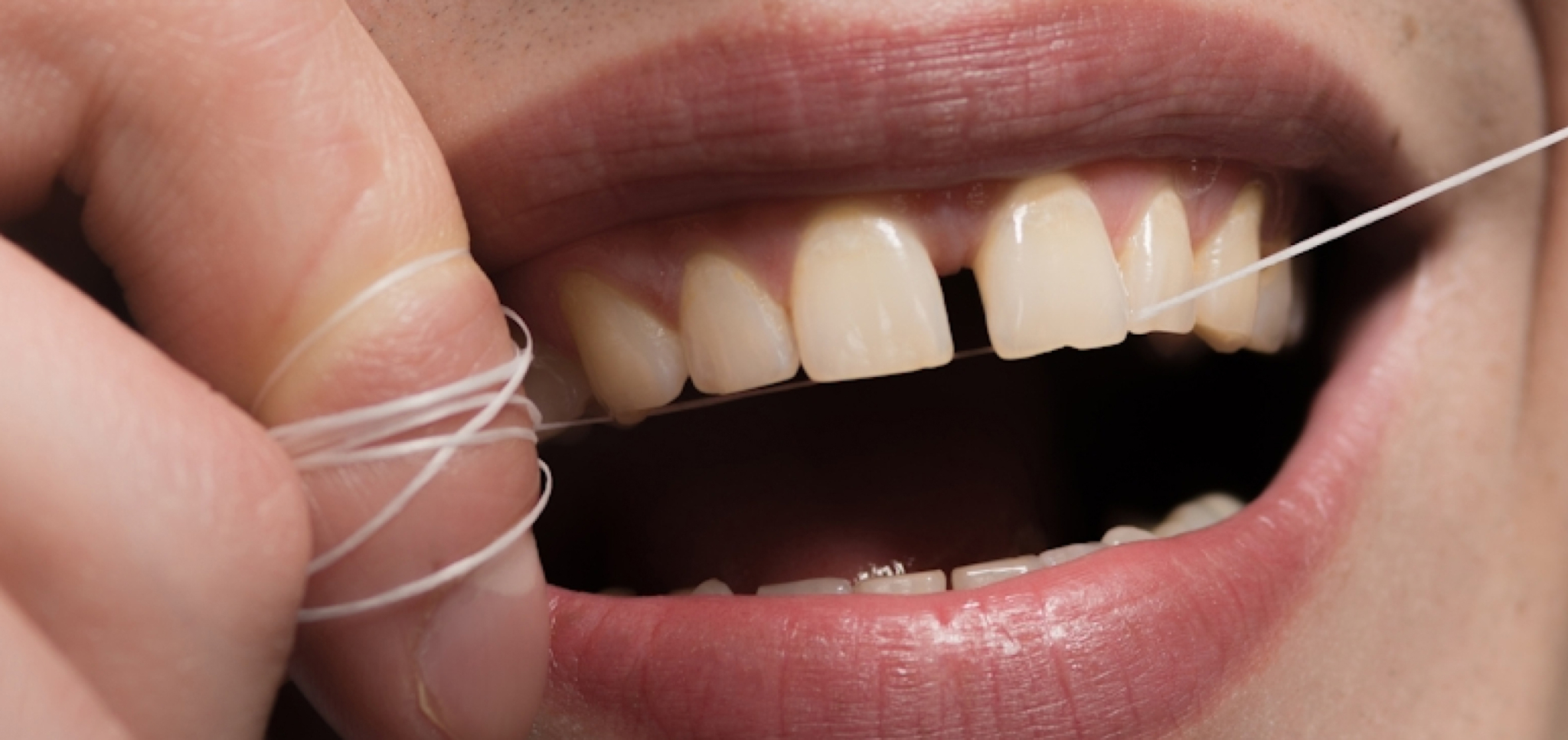
You brush, you floss, you swish… and yet, that not-so-fresh feeling still sneaks up when you least expect it. Ever done the classic “breathe into your hand” check? Don’t worry, you’re in good company. Bad breath—aka halitosis—sends millions hunting for answers past the mints and mouthwash.1
If you’re curious about trying probiotics for bad breath, you’re not alone. Probiotics are mostly known for their effects on gut health, but new research suggests these friendly microbes might have a role to play in your mouth, too.
The science is still in its infancy, but the signal’s real: certain probiotic strains may help with bad breath by tipping the balance in your favor. But keep in mind that not every probiotic is up to the task. Open wide—here’s how your oral microbiome shapes your breath. 🌬️
How Your Oral Microbiome Influences Bad Breath
Your mouth is home to a complex community of hundreds of different microbes—bacteria, fungi, and viruses—that together form your oral microbiome.2 When this ecosystem is balanced, it helps protect your teeth and gums. But when things go sideways, you might notice more than just morning breath.
The vast majority of bad breath (80-90%) starts in the mouth, aka intra-oral halitosis.1 The main troublemakers are anaerobic bacteria (the kind that thrive without oxygen), which can hide on your tongue and between your teeth. The worst offenders: Fusobacterium nucleatum, Porphyromonas gingivalis, and Prevotella intermedia—anaerobes that are especially good at churning out sulfur-based waste.3 They chow down on your leftover food and dead cells and, as a byproduct, release volatile sulfur compounds (VSCs)—which bring the signature scent. 😷
Your tongue is their favorite real estate. In a clinical study, the amount of tongue coating tracked closely with VSC levels—more coating meant more odor-causing activity—which is exactly why tongue-scraping earns its place in your routine.4
The top VSCs responsible for most cases of bad breath are:
Hydrogen sulfide
Methyl mercaptan
Dimethyl sulfide
🔬 Science Translation: Bad breath usually means odor-producing bacteria are winning out, leaving behind traces that make your mouth less fresh than you’d like. Brushing, flossing, and tongue-scraping aren’t just dentist-speak—they’re the basics for keeping things in check. Still, even with a gold-star routine, those odor-producing microbes can sometimes break through. 🦠
How Your Mouth and Gut Microbiomes Are Connected
While most bad breath starts in the mouth, there’s an undeniable link between your oral and gut microbiomes, often called the oral-gut axis.5
Microbes from your mouth are swallowed daily and travel through your digestive tract. Most don’t make it very far, but some can affect your gut environment, especially if there’s already an imbalance.6
For bad breath, though, the traffic runs one way: oral-to-gut transmission matters more than the reverse. It’s rare for gut bacteria to cause halitosis unless there’s a clear GI issue.1,5
Why Bad Breath and Gum Health Are Connected
Fun fact: Bad breath and gum disease often trace back to the same culprits. The VSC-producing bacteria above—especially P. gingivalis and F. nucleatum—don’t just cause odor. A narrative review describes them as major drivers of gum inflammation and periodontal disease, too.7 So if bad breath keeps coming back, it’s worth looping in your dentist about your gum health. (They’re more connected than most people realize.)
Systematic reviews have also linked periodontal (gum) disease itself to a higher risk of certain conditions8,9—a reminder that oral health is part of a bigger picture.
Can Probiotics Help With Bad Breath?
So, if “bad” bacteria cause odor, could “good” bacteria help restore balance and freshen your breath?
Early studies show that certain probiotics may help with halitosis by:
Competitive Inhibition: Beneficial microbes compete with the VSC-producers for space and resources, crowding out the stinky strains.10,11,12
Producing Antimicrobial Compounds: Some probiotics release their own compounds that tamp down the bad actors.
Calming Inflammation: A well-balanced oral microbiome may help ease inflammation in your gums—which in turn can limit the bacteria most likely to cause odor.
The evidence is getting stronger, too. A 2022 meta-analysis found that, in the short-term, probiotics reduced VSC levels and organoleptic scores—a standardized way to grade breath odor.13 A 2025 review backed that up: 5/6 trials showed meaningful drops in VSCs after probiotics.14 While the evidence is real, most of the trials were small and short.
If you want to plant seeds in your front yard, you don’t toss them out your back window and hope for the best. In other words: location, location, location.
The same logic applies to probiotics for oral health. Most studies on probiotics for halitosis used lozenges, chewable tablets, or mouth rinses—methods that put the bacteria directly into your mouth’s ecosystem.15,16
A swallowed probiotic capsule, on the other hand, is designed for your gut. These capsules are made to bypass your mouth and stomach so the bacteria are released in your intestines instead. Great for gut health—but it probably won’t do much for your breath.
Meet the Standout Strains for Bad Breath
Just like you wouldn’t hire a plumber to fix your Wi-Fi, you want the right microbe for the right job. As Seed’s Chief Scientific Officer, Dirk Gevers, Ph.D., explains, “The term ‘probiotic’ is incredibly broad. A probiotic’s benefits are strain-specific, not species-specific, and certainly not universal to all probiotics. One strain might support digestive regularity, while another is studied for immune modulation.”
Research into probiotics for bad breath has zeroed in on a few strains:
Lactobacillus reuteri and L. salivarius: Various strains from these species have been studied for their ability to compete with periodontal pathogens and lower markers of gum inflammation when used directly in the mouth.11 (L. reuteri shows up across oral and gut research.)
Streptococcus salivarius K12 and M18: Known for producing bacteriocins (proteins that keep bad bacteria in check), these strains have been studied for reducing both bad breath and gum issues.17,18
Weissella cibaria CMU: Studied in tablet form for its ability to help lower VSCs and support fresher breath.15
Still, most of these studies are small or limited. More research is needed before you’ll see dentist-approved probiotic lozenges in every bathroom cabinet.10
What to Know Before You Try Probiotics for Bad Breath
Thinking of testing a probiotic for your breath? A few things to consider:
Rule Out Other Causes: Sometimes bad breath signals something deeper—like gum disease, a respiratory infection, or gut issues. Check with a dentist or doctor before blaming oral microbes.1
Dry Mouth (“Xerostomia”): This could be another cause of bad breath. When saliva flow decreases—whether it’s caused by medications (e.g., antidepressants, blood-pressure drugs) or something like breathing with your mouth open while you sleep—odor-causing bacteria can thrive.19
Oral Hygiene Still Reigns Supreme: Nothing replaces brushing, flossing, and a clean tongue. Probiotics might support your efforts, but they don’t substitute for the basics. 🪥
Antiseptic Mouthwash: Harsh mouthwashes can actually wipe out bad and good bacteria, sometimes pushing your oral ecosystem further off balance. New oral-health research is more targeted: support the beneficial species while thoughtfully managing harmful ones, rather than wiping the slate clean.9
Sugar: What you eat and drink shapes your oral bacteria, too. A systematic review found that high-sugar diets can shift the microbial balance in your mouth, favoring the types linked to cavities and oral disease.20,21 Think of it this way: probiotics can help tip the scales, but a sugar-heavy diet tips them back.
Are Oral Probiotics Safe?
Oral probiotics have a strong safety profile in healthy adults. Streptococcus salivarius K12—the most-studied strain for oral health—went through a formal 28-day controlled safety study with no adverse effects on blood, urine, or saliva measures.22,23
Across broader research, mild GI discomfort is the most commonly reported (temporary) side effect.24 That said, if you’re immunocompromised or managing a serious health condition, it’s smart to check with your doctor before starting anything new.
What to Look For in a Probiotic for Bad Breath
If you want to shop smart, here’s what to look for:
Delivery Format: Look for lozenges, chewable tablets, or probiotic rinses that work in your mouth—not capsules built to bypass it.
Strain Specificity: The best labels list full strain names, not just the species (e.g., Streptococcus salivarius K12 > S. salivarius)—so you know the exact microbe has been researched for oral health.
Timing: Most clinical studies involve oral probiotics after brushing and flossing—in the morning or before bed. The idea is to give the good bacteria a clean working environment. Just don’t use them right after an antiseptic mouthwash, which could cut their viability.
Evidence Transparency: Bonus points for companies that publish their research and back up claims with actual data. 📊
The Key Insight
Probiotics for bad breath aren’t all marketing spin. They’re a real, science-backed way to support a healthier, fresher oral ecosystem. But success lives in the details: the right strains, the right delivery method, and patience (your oral microbiome won’t shift overnight).
For now, the research is exciting but still early. Don’t expect a do-it-all mint just yet—look for well-studied oral probiotics, stick with good dental hygiene, and always rule out underlying health concerns with your provider.
Your oral microbiome isn’t after quick fixes—just real support, seeded in science. 🌱
Frequently Asked Questions (FAQs)
What Is the Best Probiotic for Bad Breath?
There’s no single “best” probiotic for everyone. What works depends on your oral microbiome, your routine, and your overall hygiene. The strains with the most evidence so far are Streptococcus salivarius K12 and M18, Lactobacillus reuteri, and Weissella cibaria CMU. Delivery method matters just as much, so look for oral probiotics in lozenges, chewables, or rinses—and always talk options through with your dentist.10,11,15,17,18
How Quickly Do Probiotics Work for Bad Breath?
At least a few weeks.Probiotics aren’t an instant fix. Most clinical research shows it takes at least a few weeks of consistent daily use—often as lozenges or chewables—to shift your oral microbiome in a way that meaningfully cuts odor. Everyone’s different; you might notice changes sooner, but it’s normal if it takes longer.
Can Gut Health Cause Bad Breath?
Sometimes, but not usually. Most bad breath starts in the mouth, where odor-producing bacteria dominate. Your gut and oral microbiomes are connected, though, so in rarer cases a digestive issue may influence your breath. For most people, addressing oral hygiene and oral microbial balance is the first step. If you suspect a gut issue is at play, it’s smart to talk to your healthcare provider.1
Do I Need to Take Probiotics for Bad Breath Forever?
Probiotics don’t usually stick around permanently. Most oral probiotic strains are transient, meaning they work while you keep using them regularly. Stop, and the benefits typically fade over time. For ongoing results, a consistent daily routine is key—just like brushing or flossing. Results vary, but sticking with your routine is what keeps your oral ecosystem at its freshest.
Citations
Hampelska, K., Jaworska, M. M., Babalska, Z. Ł., Karpiński, T. M. (2020). The Role of Oral Microbiota in Intra-Oral Halitosis. Journal of Clinical Medicine, 9(8):2484. https://doi.org/10.3390/jcm9082484
Baker, J. L., Mark Welch, J. L., Kauffman, K. M., McLean, J. S., He, X. (2024). The oral microbiome: diversity, biogeography and human health. Nature Reviews Microbiology, 22(2):89-104. https://doi.org/10.1038/s41579-023-00963-6
Krespi, Y. P., Shime, G. E., Kacker, A. (2006). Relationship between oral malodor and volatile sulfur compound-producing bacteria. Otolaryngology–Head & Neck Surgery, 135(5):671-76. https://doi.org/10.1016/j.otohns.2005.09.036
Lee, C. H., Kho, H. S., Chung, S. C., Lee, S. W., Kim, Y. K. (2003). The relationship between volatile sulfur compounds and major halitosis-inducing factors. Journal of Periodontology, 74(1):32-37. https://doi.org/10.1902/jop.2003.74.1.32
Tan, X., Wang, Y., Gong, T. (2023). The interplay between oral microbiota, gut microbiota and systematic diseases. Journal of Oral Microbiology, 15(1):2213112. https://doi.org/10.1080/20002297.2023.2213112
Lee, Y. H. & Hong, J. Y. (2023). Oral microbiome as a co-mediator of halitosis and periodontitis: a narrative review. Frontiers in Oral Health, 4:1229145. https://doi.org/10.3389/froh.2023.1229145
Larvin, H., Kang, J., Aggarwal, V. R., Tsakos, G., Abed, H. (2021). Risk of incident cardiovascular disease in people with periodontal disease: A systematic review and meta-analysis. Clinical & Experimental Dental Research, 7(1):109-22. https://doi.org/10.1002/cre2.336
Nascimento, G. G., Leite, F. R. M., Vestergaard, P., Scheutz, F., López, R. (2018). Does diabetes increase the risk of periodontitis? A systematic review and meta-regression analysis. Acta Diabetologica, 55(7):653-67. https://doi.org/10.1007/s00592-018-1120-4
Bustamante, M., Oomah, B. D., Mosi-Roa, Y., Rubilar, M., Burgos-Díaz, C. (2020). Probiotics as an Adjunct Therapy for the Treatment of Halitosis, Dental Caries and Periodontitis. Probiotics & Antimicrobial Proteins, 12(2):325-34. https://doi.org/10.1007/s12602-019-9521-4
Inchingolo, F., Inchingolo, A. M., Malcangi, G., De Leonardis, N., Sardano, R., Pezzolla, C., de Ruvo, E., Di Venere, D., Palermo, A., Inchingolo, A. D., Corriero, A., Dipalma, G. (2023). The Benefits of Probiotics on Oral Health: Systematic Review of the Literature. Pharmaceuticals, 16(9):1313. https://doi.org/10.3390/ph16091313
Luo, S. C., Wei, S. M., Luo, X. T., Yang, Q. Q., Wong, K. H., Cheung, P. C. K., Zhang, B. B. (2024). How probiotics, prebiotics, synbiotics, and postbiotics prevent dental caries: an oral microbiota perspective. NPJ Biofilms & Microbiomes, 10:14. https://doi.org/10.1038/s41522-024-00488-7
Huang, N., Li, J., Qiao, X., Wu, Y., Liu, Y., Wu, C., Li, L. (2022). Efficacy of probiotics in the management of halitosis: a systematic review and meta-analysis. BMJ Open, 12(12):e060753. https://doi.org/10.1136/bmjopen-2022-060753
Passadakis, L., Neophytou, C., Davidopoulou, S., Papadimitriou, K. (2025). Effect of probiotics on halitosis: A systematic review. Journal of International Society of Preventive & Community Dentistry, 15(1). https://doi.org/10.4103/jispcd.jispcd_19_25
Lee, D. S., Kim, M., Nam, S. H., Kang, M. S., Lee, S. A. (2021). Effects of Oral Probiotics on Subjective Halitosis, Oral Health, and Psychosocial Health of College Students: A Randomized, Double-Blind, Placebo-Controlled Study. International Journal of Environmental Research & Public Health, 18(3):1143. https://doi.org/10.3390/ijerph18031143
Brookes, Z., Teoh, L., Cieplik, F., Kumar, P. (2023). Mouthwash effects on the oral microbiome: Are they good, bad, or balanced? International Dental Journal, 73(7S):74-81. https://doi.org/10.1016/j.identj.2023.08.010
Babina, K., Salikhova, D., Polyakova, M., Svitich, O., Samoylikov, R., Ahmad El-Abed, S., Zaytsev, A., Novozhilova, N. (2022). The Effect of Oral Probiotics (Streptococcussalivarius k12) on the Salivary Level of Secretory Immunoglobulin A, Salivation Rate, and Oral Biofilm: A Pilot Randomized Clinical Trial. Nutrients, 14(5):1124. https://doi.org/10.3390/nu14051124
Burton, J. P., Drummond, B. K., Chilcott, C. N., Tagg, J. R., Thomson, W. M., Hale, J. D. F., Wescombe, P. A. (2013). Influence of the probiotic Streptococcus salivarius strain M18 on indices of dental health in children: a randomized double-blind, placebo-controlled trial. Journal of Medical Microbiology, 62(6):875-84. https://doi.org/10.1099/jmm.0.056663-0
Barbe, A. G. (2018). Medication-Induced Xerostomia and Hyposalivation in the Elderly: Culprits, Complications, and Management. Drugs & Aging, 35(10):877-85. https://doi.org/10.1007/s40266-018-0588-5
Fan, X., Monsoon, K. R., Peters, B. A., Whittington, J. M., Um, C. Y., Oberstein, P. E., McCullough, M. L., Freedman, N. D., Huang, W. Y., Ahn, J., Hayes, R. B. (2024). Altered salivary microbiota associated with high-sugar beverage consumption. Scientific Reports, 14:13765. https://doi.org/10.1038/s41598-024-64324-w
Angarita-Díaz, M. P., Forero-Escobar, D., Torres-Duque, R. A., Gamboa-Sarria, R. A. (2022). Does high sugar intake really alter the oral microbiota?: A systematic review. Clinical & Experimental Dental Research, 8(5):1027-37. https://doi.org/10.1002/cre2.640
Burton, J. P., Wescombe, P. A., Cadieux, P. A., Tagg, J. R. (2011). Beneficial microbes for the oral cavity: Time to harness the oral streptococci? Food & Chemical Toxicology, 49(11):2917-19. https://doi.org/10.1016/j.fct.2011.06.038
Burton, J. P., Chilcott, C. N., Moore, C. J., Speiser, G., Tagg, J. R. (2006). A preliminary study of the effect of probiotic Streptococcus salivarius K12 on oral malodour parameters. Applied & Environmental Microbiology, 72(4):3050-53. https://doi.org/10.1128/AEM.72.4.3050-3053.2006
Didari, T., Solki, S., Mozaffari, S., Nikfar, S., Abdollahi, M. (2014). A systematic review of the safety of probiotics. Expert Opinion on Drug Safety, 13(2):227-39. https://doi.org/10.1517/14740338.2014.872627
Gia Deines is a multidisciplinary writer, editor, and strategist with 10+ years of experience shaping content across health, wellness, beauty, politics, and culture. She began in product copy before expanding into long-form health education, brand storytelling, and ghostwriting thought leadership, including published work for CNN.com and global brands like Tylenol, Zyrtec, and Aveeno. Offline, Gia is likely outside trying to grow something edible, reading three books at once, or getting lost in a period piece.
Preya Patel is a licensed pharmacist and writer. She envisions a future where technology, medicine and functional nutrition intersect to transform quality of life outcomes. With expertise in pharmacology and nutrition, she translates scientific research into actionable insights, empowering individuals to make informed health decisions. Her work blends regulatory knowledge and holistic principles, spanning collaborations with the FDA, P&G Ventures Studio, and startups to shape human and planetary health.